PART 28 of 52 ONESHOTS in 52 WEEKS
はくりの『なんて情けない僕らだ』 “Nante Nasakenai Bokura da” by Hakuri
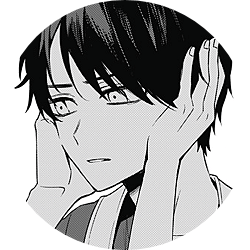
Hakuri is a mangaka and illustrator known for authoring the series One Room of Happiness, which explored the unconventional relationship between a kidnapper and their victim. It was published by Square Enix from 2016 until 2022, with Crunchyroll providing a digital release in English during the same period. The author also has quite a prolific bibliography of oneshots, which have appeared in magazines by several of the big manga publishing companies, including Shueisha, Shogakukan, and Futabasha.
Today, I’m looking at Nante Nasakenai Bokura da, one of the author’s most widely publicised oneshots, which is known in English as What a Pity We Are. The manga was published in Shounen Jump Plus in 2020, and focuses on Yukiya, a high school student with a passion for composing music and writing songs. Classmate Souta becomes enamoured with his talent, and asks that Yukiya teach her all he knows. The two quickly form a bond, and frequently skip class to write songs on the school’s rooftop. However, when one of Souta’s songs becomes an overnight sensation, leading to a professional music career, Yukiya is overcome with jealously and resentment. Unable to enjoy music like he used to, Yukiya gives up on his passion and cuts Souta out of his life. Three years later, a despondent Yukiya does all he can to avoid hearing Souta’s music, until she unexpectedly reaches out to him.

The premise is very intriguing, but sadly Hakuri’s oneshot suffers from substandard introspections and a lack of persuasive development. Yukiya and Souta’s bond, comprising a mixture of admiration and envy, should make for an emotive read, especially when told within the framework of song-writing and music-making, known and loved for its expressivity, but such details aren’t given enough attention to flourish.
Yukiya’s jealously, festering for three years, is expounded only in clunky monologue, and the music which is supposedly the lifeblood of both characters is simply invisible, with a lack of even sound effects during performance scenes. While it is admittedly difficult to compellingly convey sound in art, the author also neglects to include any lyrics, despite the fact both characters are singer-songwriters, which could have offered the cast the shade and variance which is lacking, as well as display first-hand their self-described expertise, and provide a better outlet for exposition and inner reflections. Instead, readers are simply told that Yukiya’s songs are “bright, with a small shadow to them.” Similarly, Souta, who is only ever portrayed as charismatic and upbeat, says she’s actually a gloomy kind of person, but this is never shown nor expanded upon.
What a Pity We Are is by no means the shortest work at 63 pages in length, yet it feels half-baked, with many familiar plot beats (including a romantic subtext which feels awfully guided) and a lack of real scrutiny and survey of what should be impassioned feelings from characters with a complex history. The artwork, on the other hand, is serviceable. Sometimes it has a bit of a digital ‘flatness’ to it, with an abundance of grey tone and little variance in the shading, but the character designs are great and while there is a general lack of detail in the backgrounds, the latter part of the story, which is set in a park at night, has some stand-out pages. Sadly, this is not enough to rescue the manga; despite being largely about passions and art, it ends as a rather soulless tale that just doesn’t dig deep enough.
Click here to explore the rest of 52 Oneshots in 52 Weeks and find my numerical ratings on MyAnimeList!
 Morning, Roo
One thought on “Manga Review: What a Pity We Are”