Advances in digital technology have made manga more assessible than ever, with online platforms able to accommodate a tremendous catalogue of work, which is now largely available to a global audience. With the industry booming, looking for something new to read or a fresh author to discover can be overwhelming in its variety, but the search is ever-compelling as you never know when you might uncover a gem.
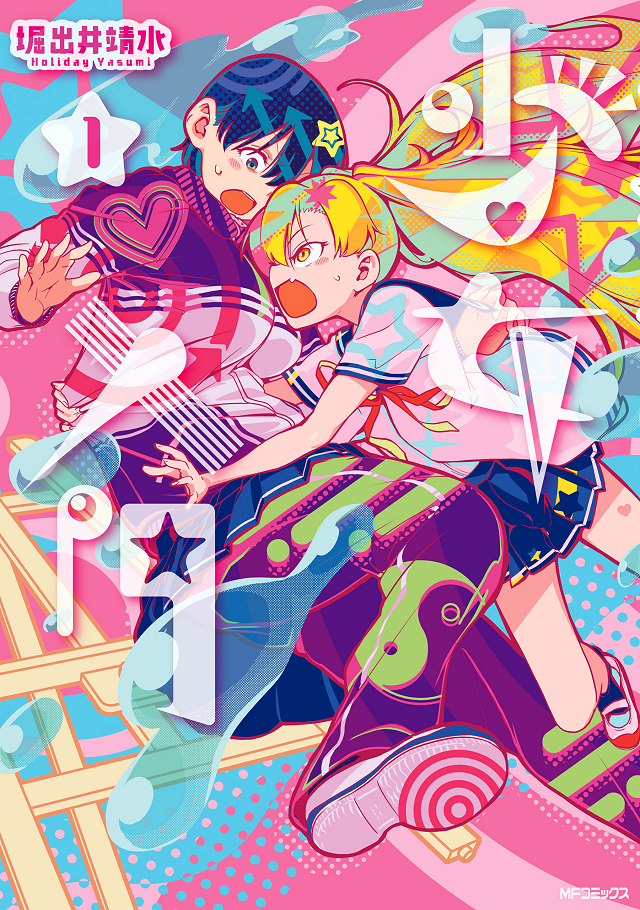
It was on Comic Walker where, about a year ago, I came across a gender-swapping manga titled Shoujo Nyuumon, which was immediately striking owing to its vivid artwork. It is the newest manga by author Holiday Yasumi (otherwise known as Horidei Yasumi), whose previous works include a two-volume sci-fi series, a long-running collection of self-published gag comic strips, as well as several adult manga.
Shoujo Nyuumon is a culmination of sorts, building upon the quickfire humour and animated characters of the author’s comedy shorts, as well as the suggestiveness of some of his more risqué stories, only in a much more wholesome and attentive package. With a title which translates to ‘Introduction to Girlhood,’ Shoujo Nyuumon explores gender, sexuality, identity, and first love through the lens of two boys who inexplicably turn into girls.
While gender-swapping is a very tried and tested motif in manga, Holiday Yasumi’s rendition is a welcome delight, despite containing some familiar story beats. The manga’s biggest draw is its central characters, who play off of one another with tremendous wit and burgeoning affection. Twin-tailed Sainami goes all in on being a girl, trying her hardest to portray an excessively cute and calm demeanour when in public, but with best friend Hajime she’s confidently jovial and full of energy. Hajime, on the other hand, mourns their old life and still feels adamantly male, despite appearances.
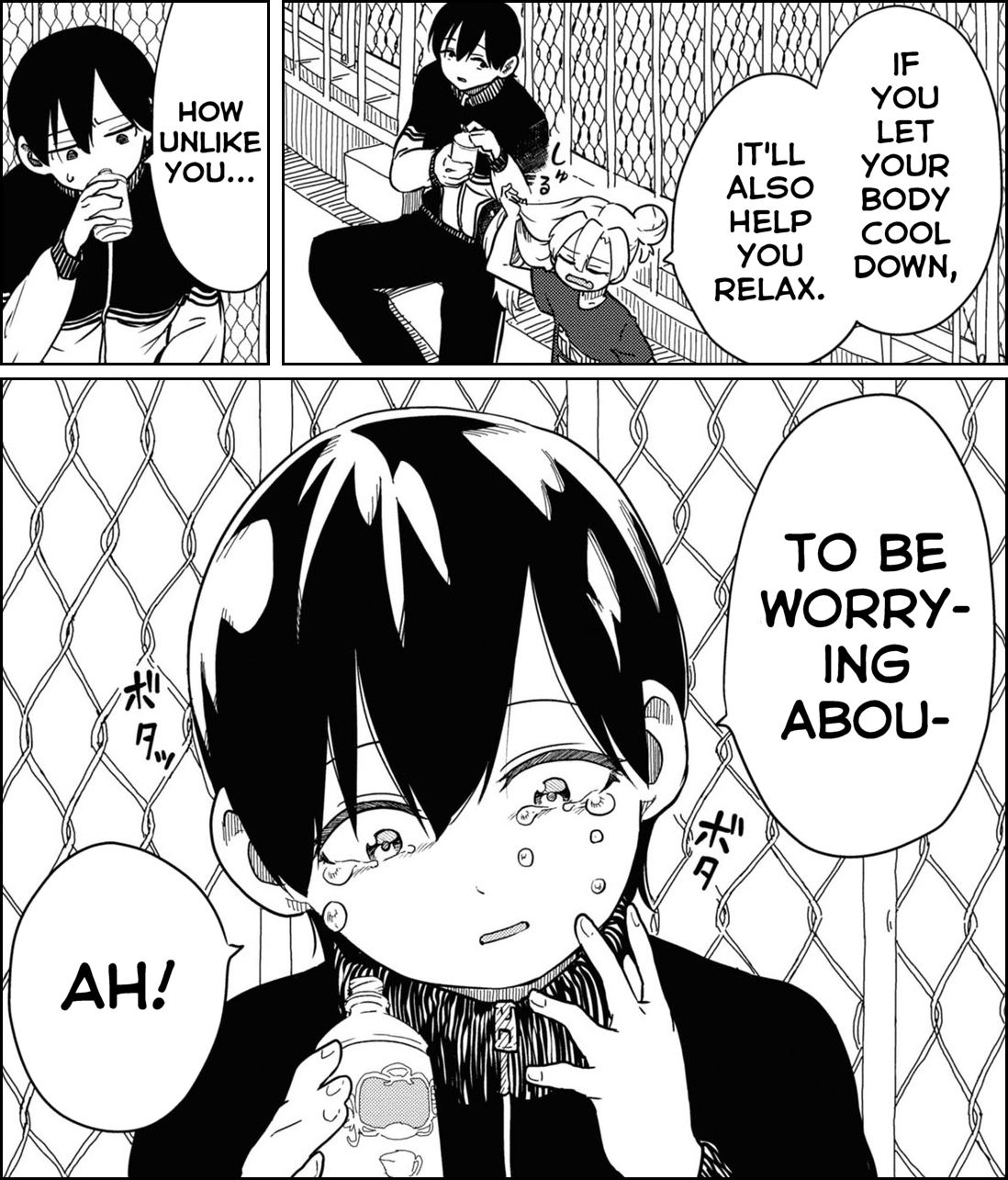
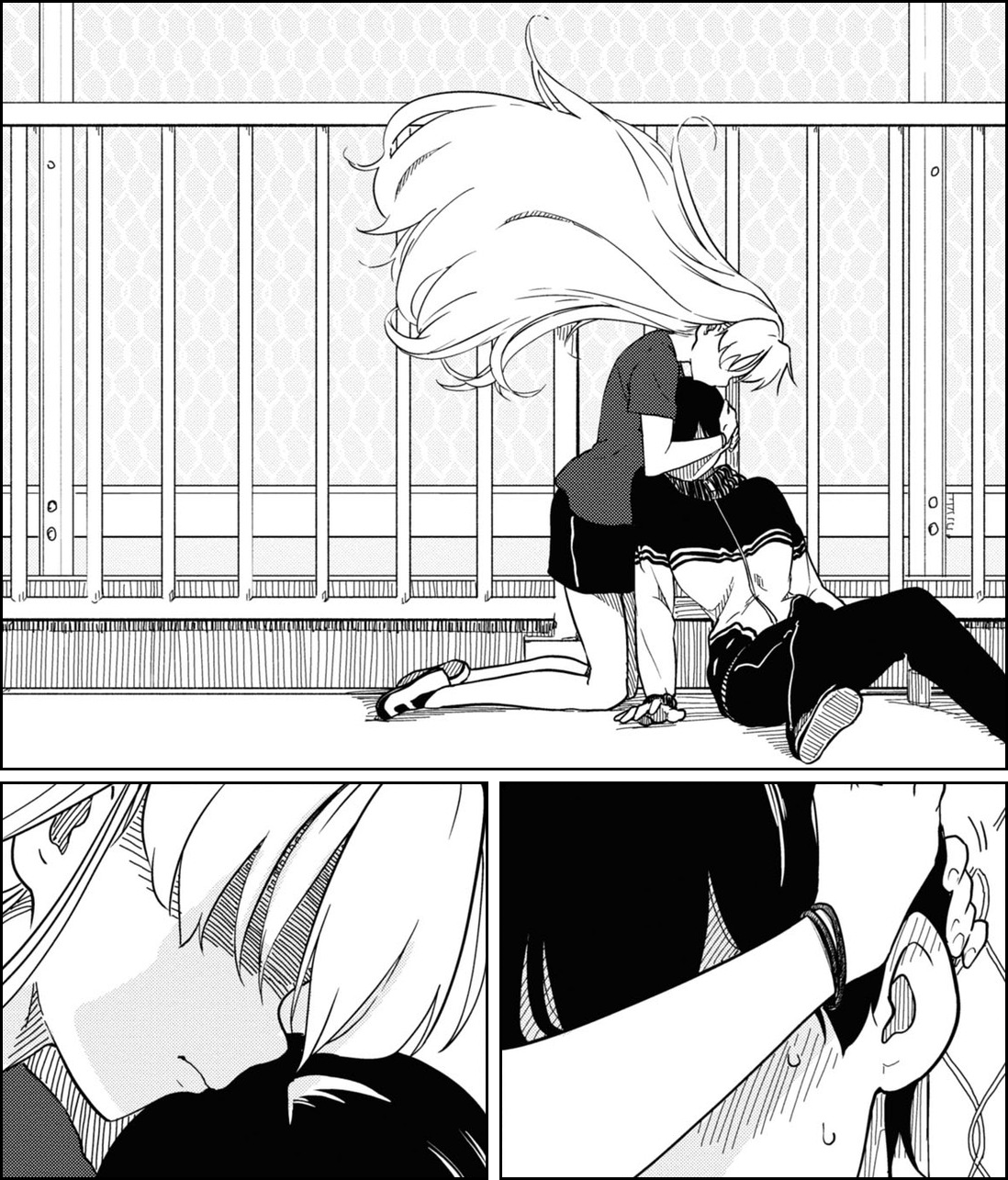
There’s certainly something to be said on the duality and crisis of self when you don’t feel entirely comfortable in your own body. Sainami admits that after she transformed, although she was the same person inside, she didn’t understand how to act or be anymore, and isolated herself in a depressive state. The manga contains several of these hard-hitting and tender moments as the two characters come to terms with who they are and what they mean to each other, but they are packaged chiefly within scenarios which are humourous and light-hearted. Author Holiday does well to craft a story which is lively and fun, but crucially he underpins it all with genuine fervour, supported by dialogue which feels authentic and weighty precisely when it needs to be. As a result, the series isn’t just a series of gags, but rather a bonafide coming-of-age romance, with characters readers can really get behind.
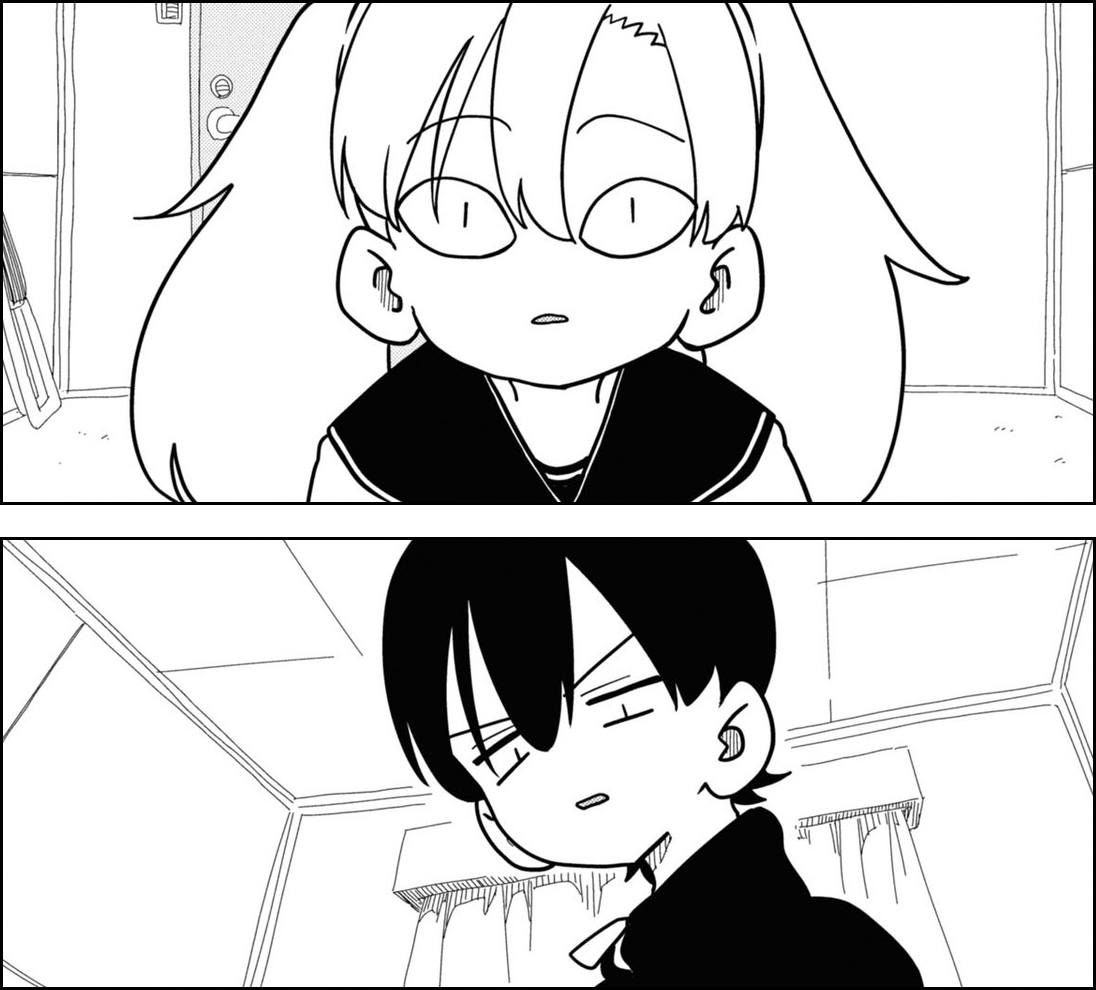
That the characters are so spirited and empathetic is also due, in large part, to the artwork, in which the author has the most adept handle on gesture and expression. Dialogue scenes are attested with veritable drama, as the author is constantly attentive to the manner and mien of his cast, which so naturally immerses readers within the plot. While in the more comedy-driven moments, Sainami effectively jumps from the page with all manner of wild and wonderful countenance, ensuring the humour lands with tons of charm and personality.
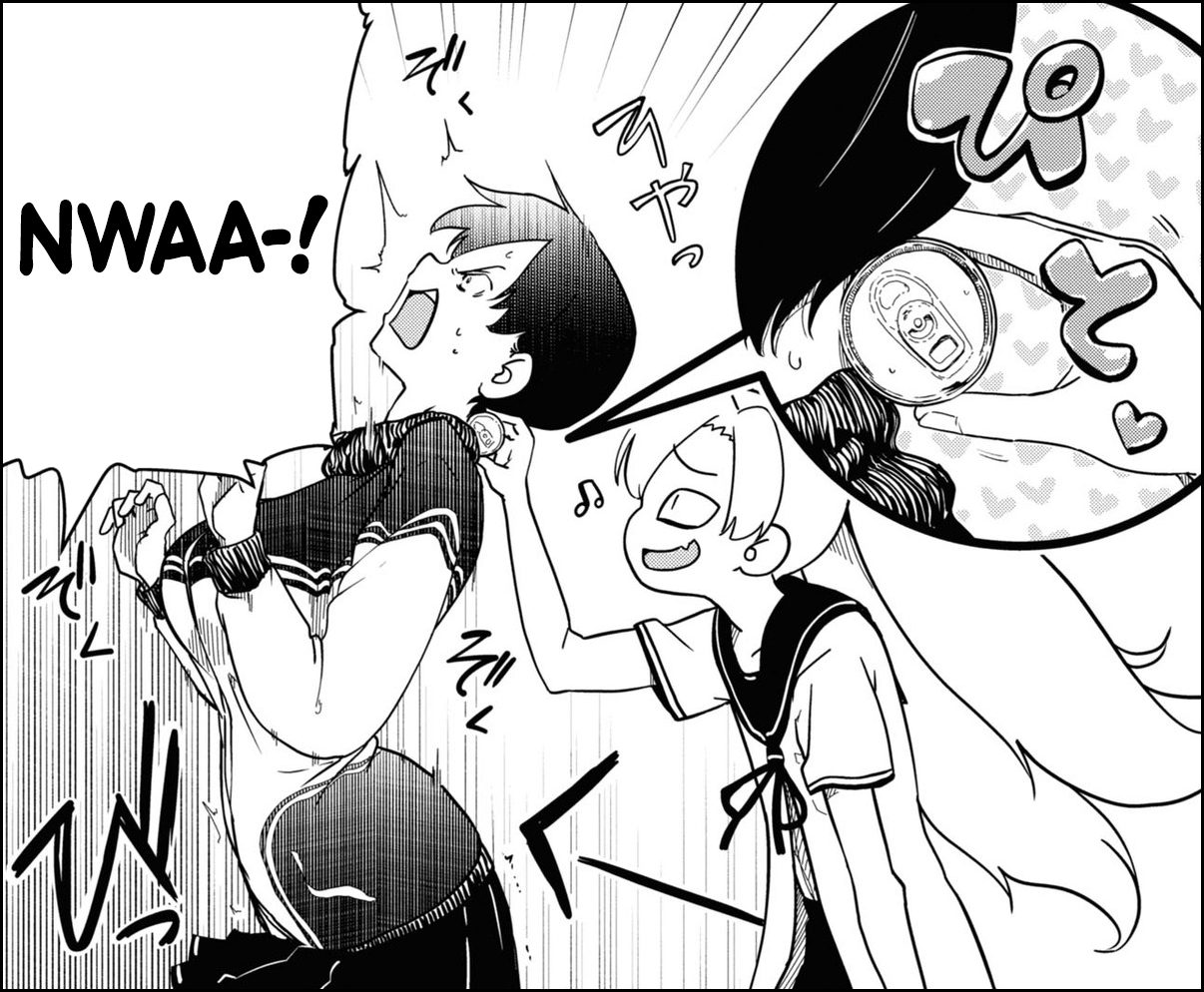
This knack for comedy is something author Holiday has honed in his long-running yonkoma manga; ‘yonkoma’ referring to a popular comic format in Japan consisting of four panels, often used to stage gags and quickfire punchlines. The author has consistently posted these works onto his Twitter page since 2023, amassing an index of over 600 short manga. Holiday Yasumi’s preferred topics are gender-swapping and romance, with some stories erring toward the spicier side of the scale, but no genre is taboo, with the author’s bountiful collection containing something for just about anybody.
Often the shorts poke fun at popular tropes, play with genre and expectation, and reference manga pop culture, along with its associated platforms, such as anime and gaming. You can tell they are written by somebody very immersed within the industry and culture, who is adept to take something familiar and put a clever spin on it. But the writing is only half the package; the author’s yonkoma also feature some eye-catching linework. The art is less refined than something you might see in a more officially published capacity, yet it’s every bit as effective, with Holiday displaying first-hand how to show a lot with a little. The art aids the punchlines superbly, in which they land exceedingly well due to the author’s animated character illustrations and their priceless reactions.

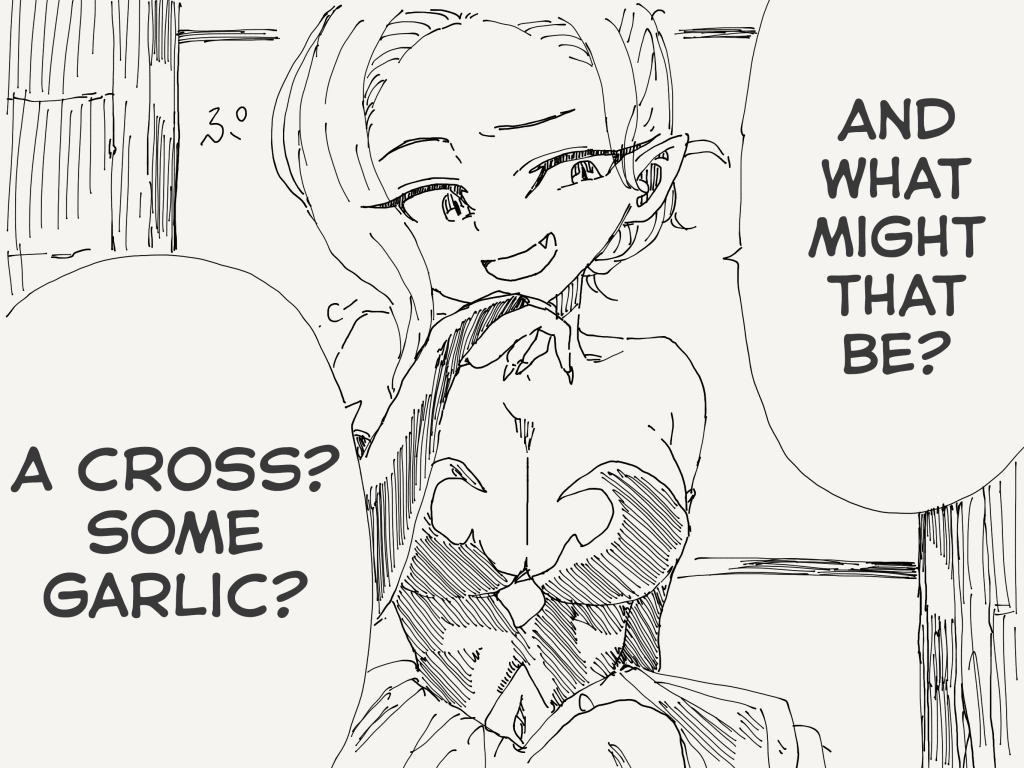
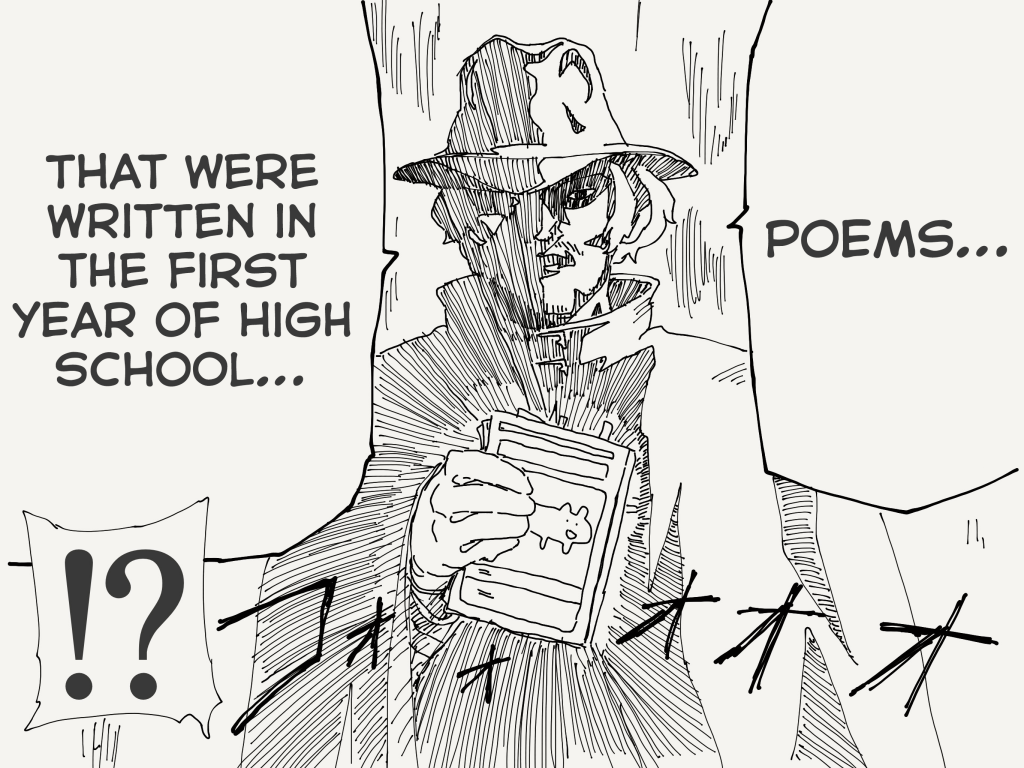
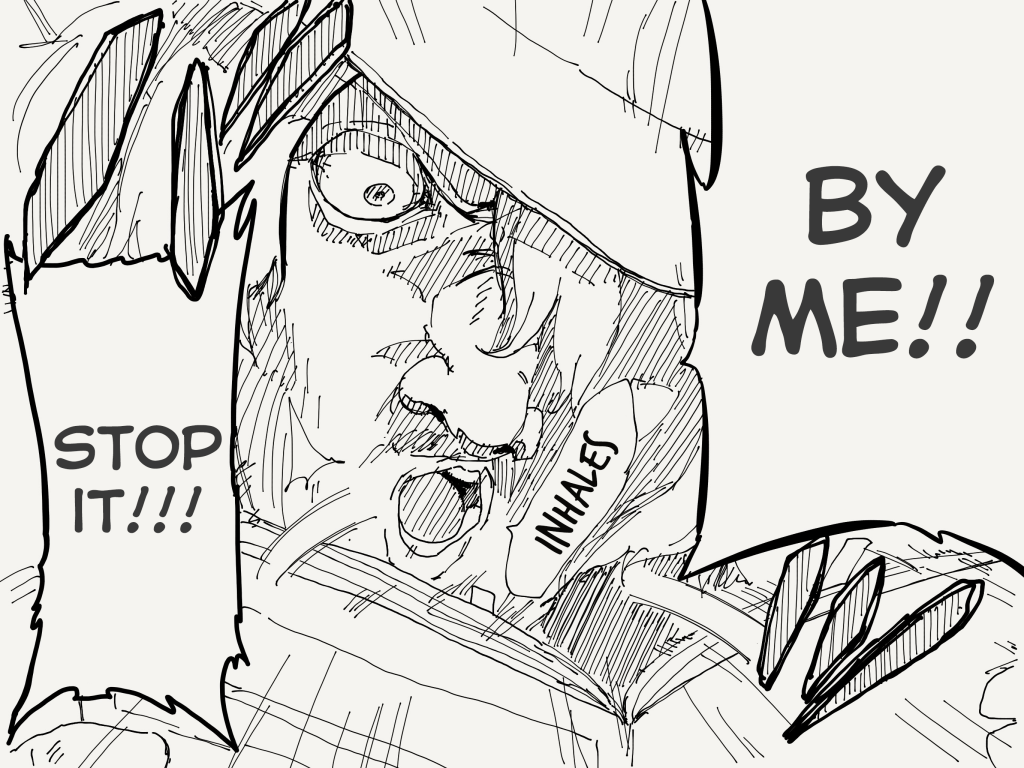
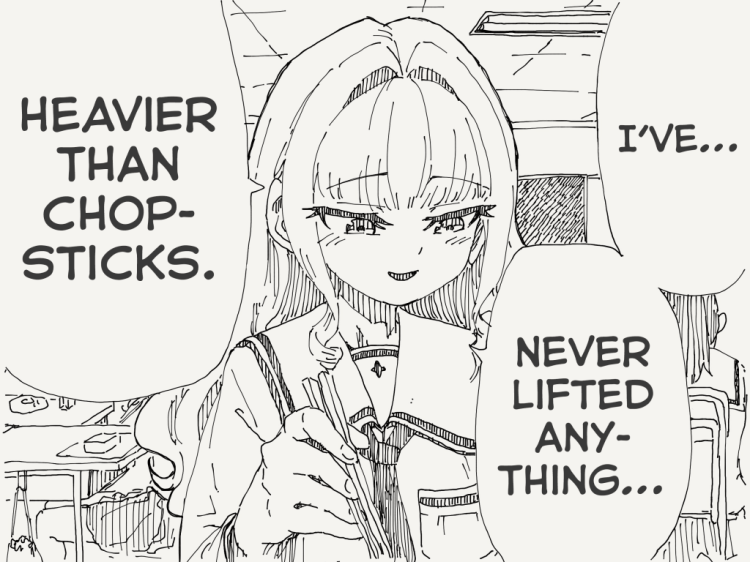


Holiday Yasumi streamlined his drawing process when the serialisation of Shoujo Nyuumon began, so he would also be able to continue work on his daily shorts. Rather than separating his artwork into components such as background and foreground, the author chose to compile his pages as a whole, drawing with just a single layer. It’s a great example of both the ease and diversity of digital manga, where methodology is what you make it.
While the shorts are still growing in number, Shoujo Nyuumon drew to a close six months ago. It had been on a hiatus in the months prior and ultimately spanned just 14 chapters, with there being some speculation online whether it was cancelled. Nonetheless, the author was able to conclude the story well, ending on an endearing if bittersweet note, knowing there will likely be no more tales of the spirited and lovable duo of Sainami and Hajime.
Transformation manga can sometimes feel somewhat expendable, especially fetish stories and some of the more comedy-driven scenarios, which don’t really attempt to tackle any interesting quandaries surrounding the topic of gender dynamics, identity or romance. While the brief length of Shoujo Nyuumon doesn’t allow it to explore such themes with an especially vigorous depth, it nonetheless strikes an impressive balance, largely through its character drama, which feels brilliantly cultivated and sincere. Holiday Yasumi has quickly become one to watch for me; he successfully mixes a dorky comedy aesthetic with abundant charm and compassion, and manages to thoroughly revitalise a fairly habitual category of manga. This is also on display in his short stories, where he has a wonderfully sharp-witted and reflexive grip on genre, satire and trends.
 Morning, Roo