PART 36 of 52 ONESHOTS in 52 WEEKS
楳図かずおの『ねがい』 “Negai” by UMEZU Kazuo
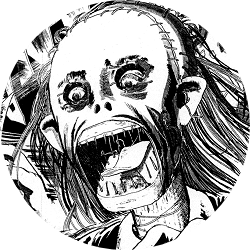
Kazuo Umezu is one of the original masters of horror manga, known for series such as Orochi, The Drifting Classroom and Cat Eyed Boy. Beginning his career in the 1950s, Umezu went on to develop a distinct style, blending shoujo and horror aesthetics. He is credited with prompting a horror manga boom in the 1960s, with his oneshot trilogy Reptilia garnering critical and commercial success. The author’s three short stories subverted the conventional mother-daughter relationship that was popular in shoujo manga at the time, swapping maternal love for a malevolent and monstrous mother-figure.
The horror genre is particularly rich in oneshot stories, with author Umezu penning numerous anthologies and short works before his retirement in the 1990s. Today I’m looking at Negai, a horror tale about a woodwork doll that comes to life. The oneshot, the title of which translates to ‘Wish’ in English, was originally published in Weekly Shounen Sunday in 1975, but was later included as an extra within the final volume of The Drifting Classroom.
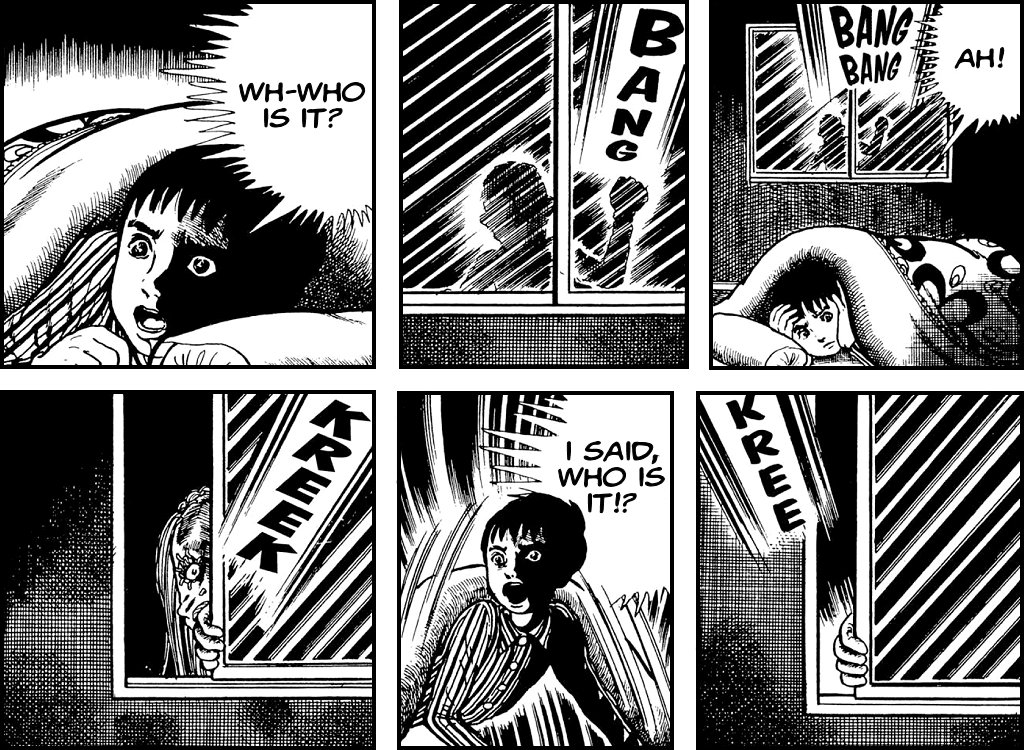
Hitoshi is a young boy who doesn’t have many friends. On the way home from school one day, he finds a block of wood resembling the shape of a head. He commits himself to creating a doll, and fashions a particularly hideous life-sized puppet which he names Woody. Hoping Woody will be the remedy to his loneliness, Hitoshi wishes the doll would come alive, but is unsuccessful in his desires. Some time later, Hitoshi makes a friend at school named Tomoko, and promptly discards of Woody in the pit of a building site. An upbeat Hitoshi enjoys his new life with friend Tomoko and begins to forget about Woody, until the doll comes alive and shows up at his window.
Negai is a familiar horror story, turning hopeful wishes into regretful nightmares. The living doll trope is one which has gone on to become a popular horror convention, with Japan host to its own folklore of haunted playthings, such as the doll Okiku. Negai doesn’t divert much from the typical narrative of these stories, other than having Hitoshi create his own haunted object. Woody ticks all the boxes in the menacing department, but surprisingly the doll’s pursuit of Hitoshi is fairly brief, with the horror rather in the very notion of this nightmarish entity.
The artwork and composition is one of the most interesting aspects of Negai, with pages frequently consisting of up to twelve panels, arranged three per line. While the oneshot lacks a larger eye-catching piece, it presents an impressive sense of continuity and action, with the illustrations and panelling bringing the narrative to life in a fluid and easy-to-follow manner. The art itself is bold and striking, with quite a moody ambiance. Although the panels are numerous and thus smaller than in most other manga, the author nonetheless packs a lot of detail into every corner.
The characterisation of Hitoshi is notable, with the first page introducing several key details in a tactful show-don’t-tell manner. While the story isn’t particularly distinctive and the ending is somewhat abrupt, the oneshot’s prompt and focused progression, where is wastes little time on secondary details, is commendably candid. Despite some shortcomings, Negai remains a gratifying and concise horror story at just 31 pages long. It is particularly engaging its presentation, with the panelling guiding readers through at an excitable pace.
Click here to explore the rest of 52 Oneshots in 52 Weeks and find my numerical ratings on MyAnimeList!

