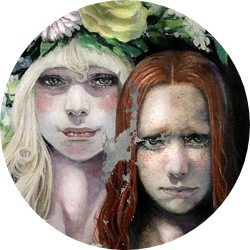
Owing to the steadfast classic that it is, Bram Stoker’s Dracula persists with an impressively large list of adaptations from around the world. Featuring in films, video games, comics, theatre, television, music and so on, there’s seldom a place the story and character haven’t been depicted. Each rendition has its own unique take—some more faithful than others—but one of the most bewitching and remarkable versions is surely Shinichi Sakamoto’s manga #DRCL Midnight Children.
Sakamoto’s interpretation loosely follows the original novel, with a sinister Transylvanian entity arriving at the shores of Whitby, where a group of characters are united through their efforts to dispel the foe. However, the author is keen to put his own spin on the tale and swiftly introduces original aspects—which include aging down the main cast and revising their circumstances, swapping the gender, nationality or heritage of certain characters, as well as killing off and vampirising others who either don’t or aren’t in the novel—which take the story in fresh and unpredictable directions.
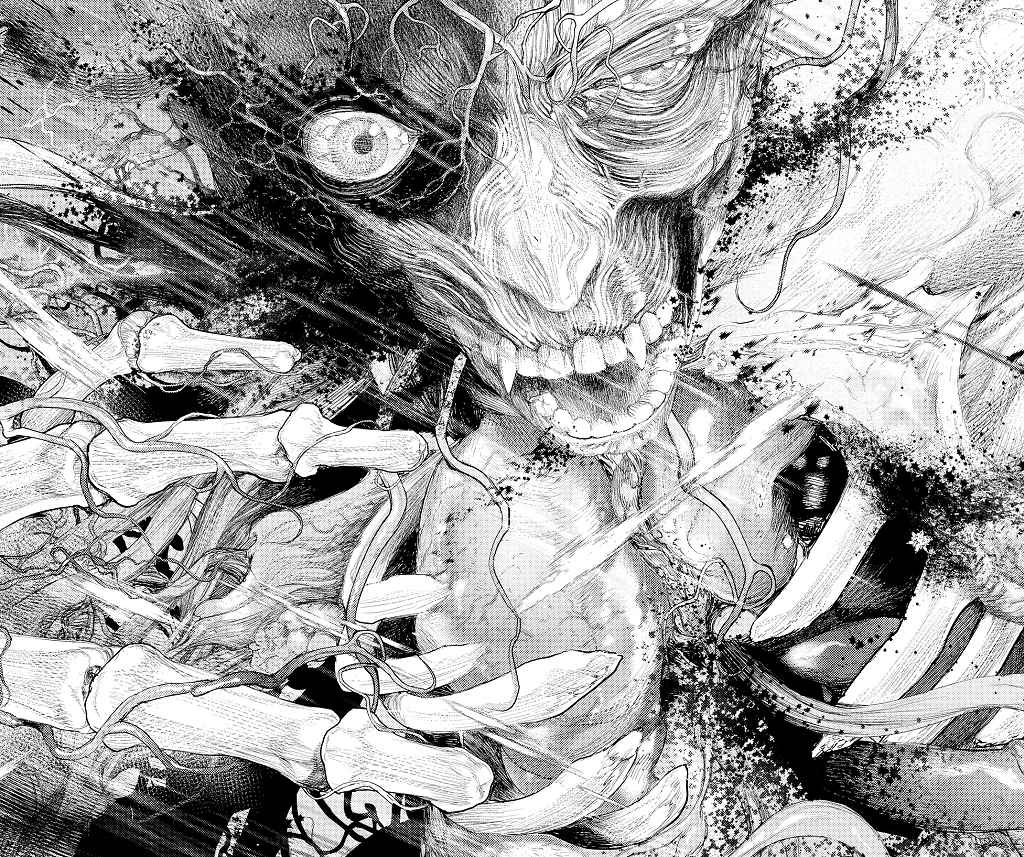
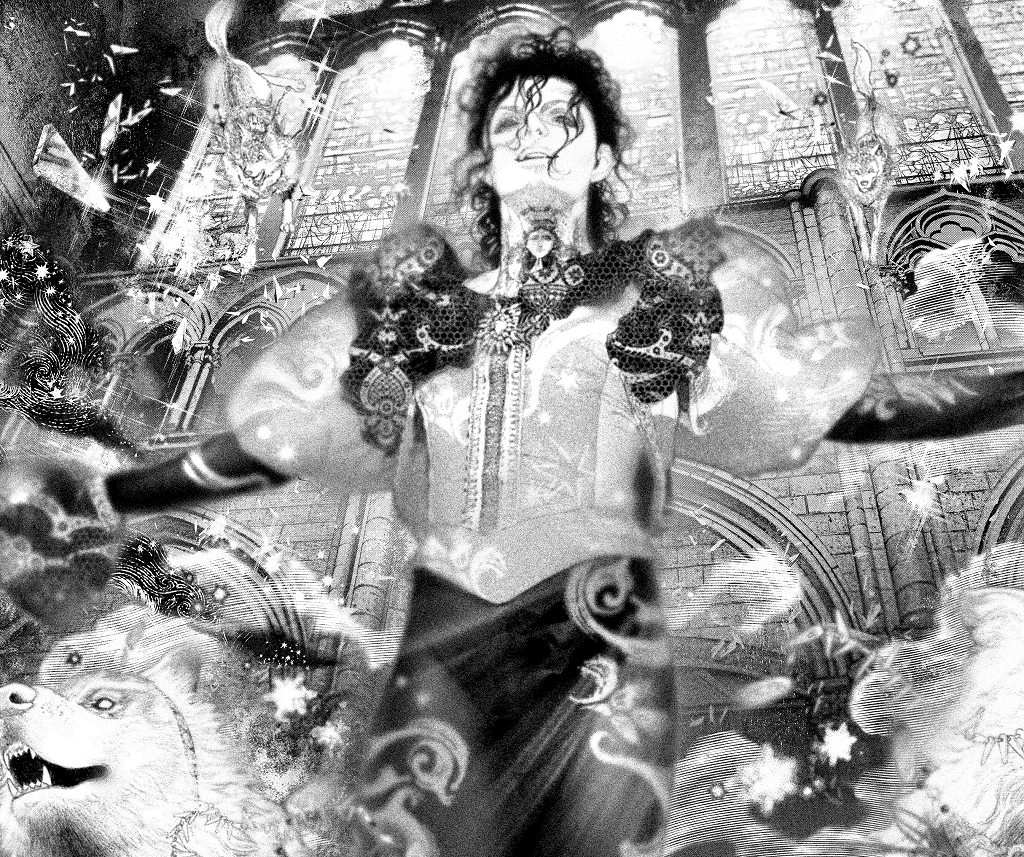
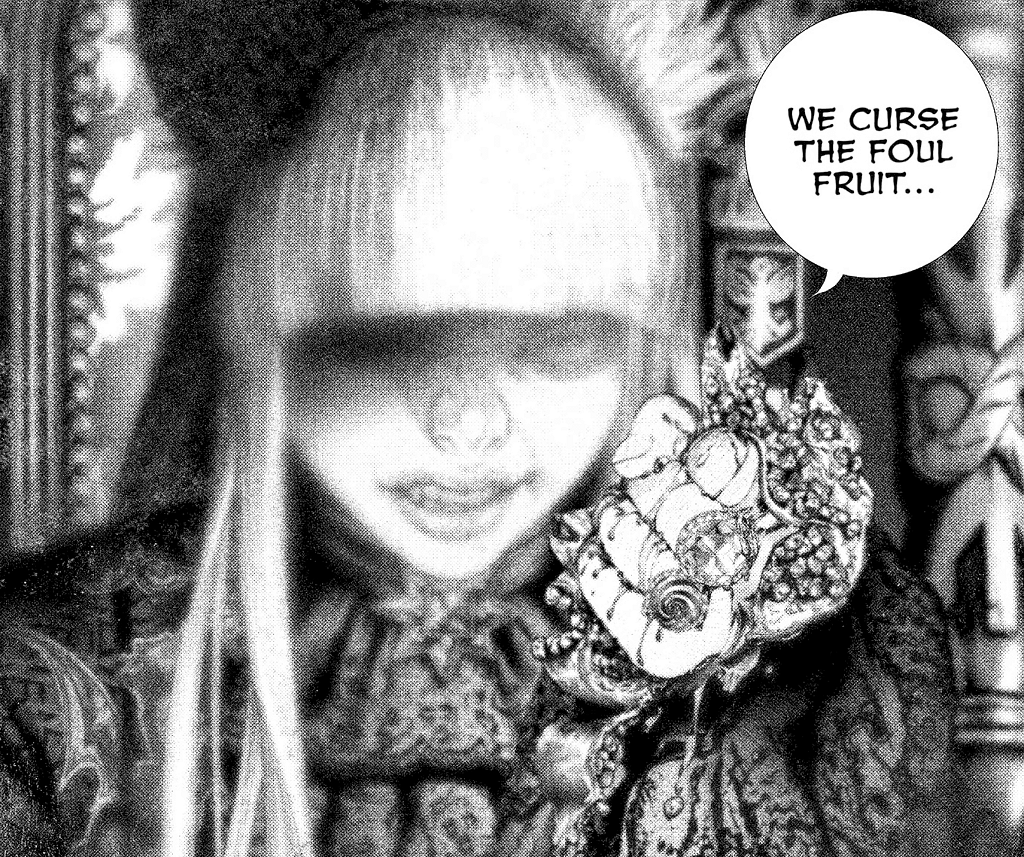
One of these diversions delves into the origins of Count Dracula, who is depicted through numerous guises, shifting as he grapples with his morality. Readers first see him as a spectre haunting the Demeter, then as the spitting image of Michael Jackson with neck tattoos. When Jonathan Harker first encounters him, the Count takes the appearance of an innocent, child-like, feline-esque character who has denounced bloodthirst, but then warps into a more book-accurate imposing moustached figure as the darkness and desire within him grows.
The representation of Dracula and his nebulous, other-worldly influence is one of the manga’s most memorable and enchanting aspects. The character is illustrated in soft focus in contrast to the more tangible drawings of the rest of the cast, whom he barrages with mystical creatures and maddening hallucinations. With his changing appearance and almost incorporeal body, the Count embodies a touch of eldritch horror, with a frightening incomprehensibility.
Shinichi Sakamoto began his manga career in the 1990s, penning stories with a classic action shounen aesthetic inspired by artists such as Tetsuo Hara and Yoshinori Nakai, who were known for their illustrations of brawling, muscular men. Yet, beginning with The Climber in 2007, the artist swapped tact and began focusing more on introspective storytelling, aided by strong visual metaphors and highly detailed, realistic environments. It was here he seemingly also fell in love with the idea of adaptation; developing all of his series then on from existing books.
The author’s interpretations are always distinct and often audacious, yet never gratuitously so, with renditions that are equal parts dutifully familiar and ravishingly original. With Midnight Children, while the plot is certainly pivoted, the foundations remain, as do many of Dracula’s themes, notably its gender dynamics and social drama, with the headstrong Mina forging her own agency in a largely male dominated society that looks down upon women. Conversely, the men find that their perversions, masculinity and ego are ripe targets for Dracula, who preys upon their facades and secrets in an attempt to turn them against one another.
Sexuality and religion also remain prominent; several in the cast are exposed by their impious lust and desires, with sexual deviations and hypocrisies again exploited by the Count. Later in the manga, some who are bitten by Dracula almost lose themselves as they skirt the line between virtue and sin, but in an unexpected reversal, they manage to retain their minds by repurposing the vampiric power in the name of God, resurrecting as idealised versions of themselves. Shinichi Sakamoto also recreates the novels epistolary style, with Mina and Jonathan recounting events through their journal entries, though Mina acts as a bit of an unreliable narrator, sometimes overstating her own input as she strives to assert herself among the group.
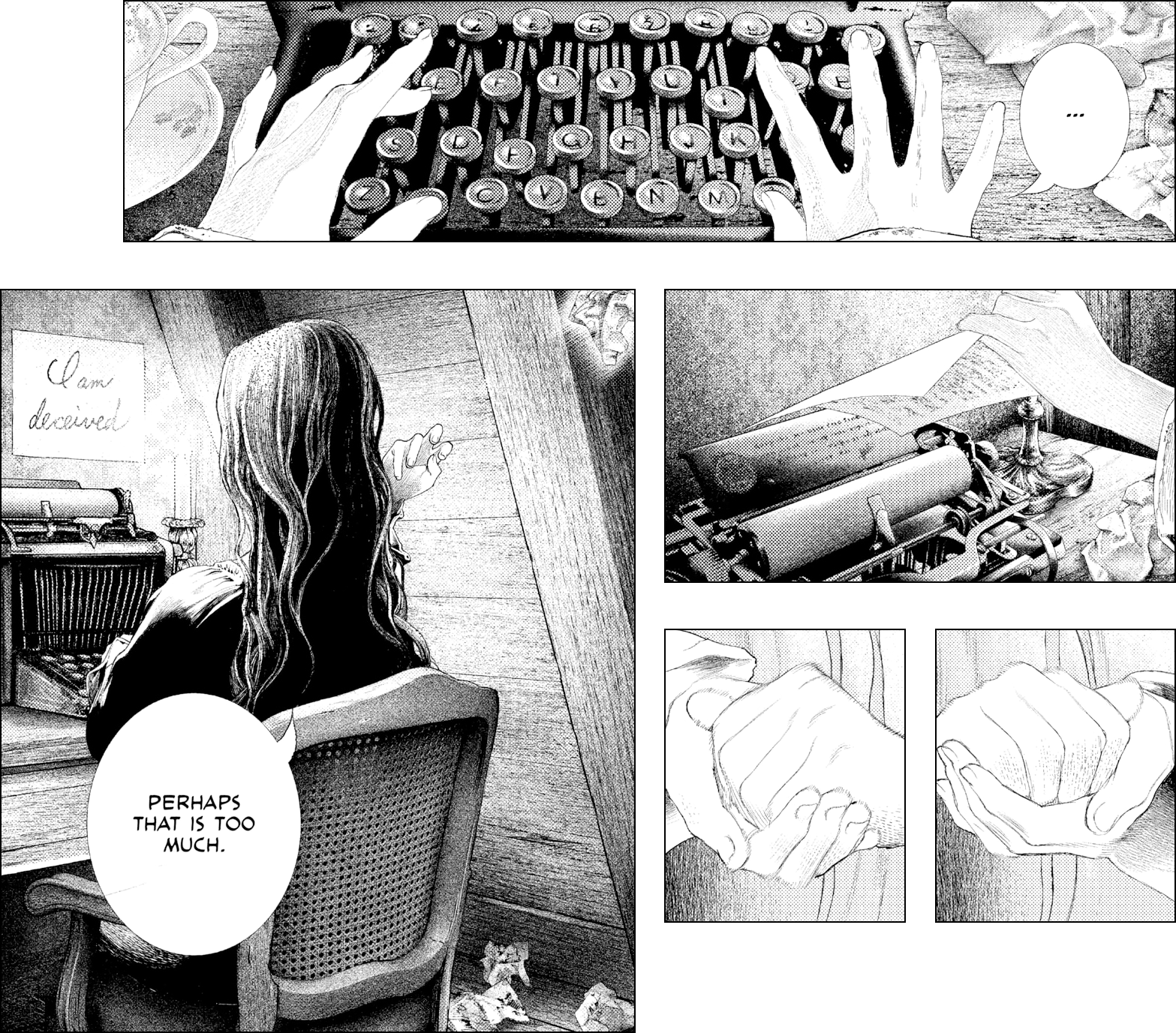
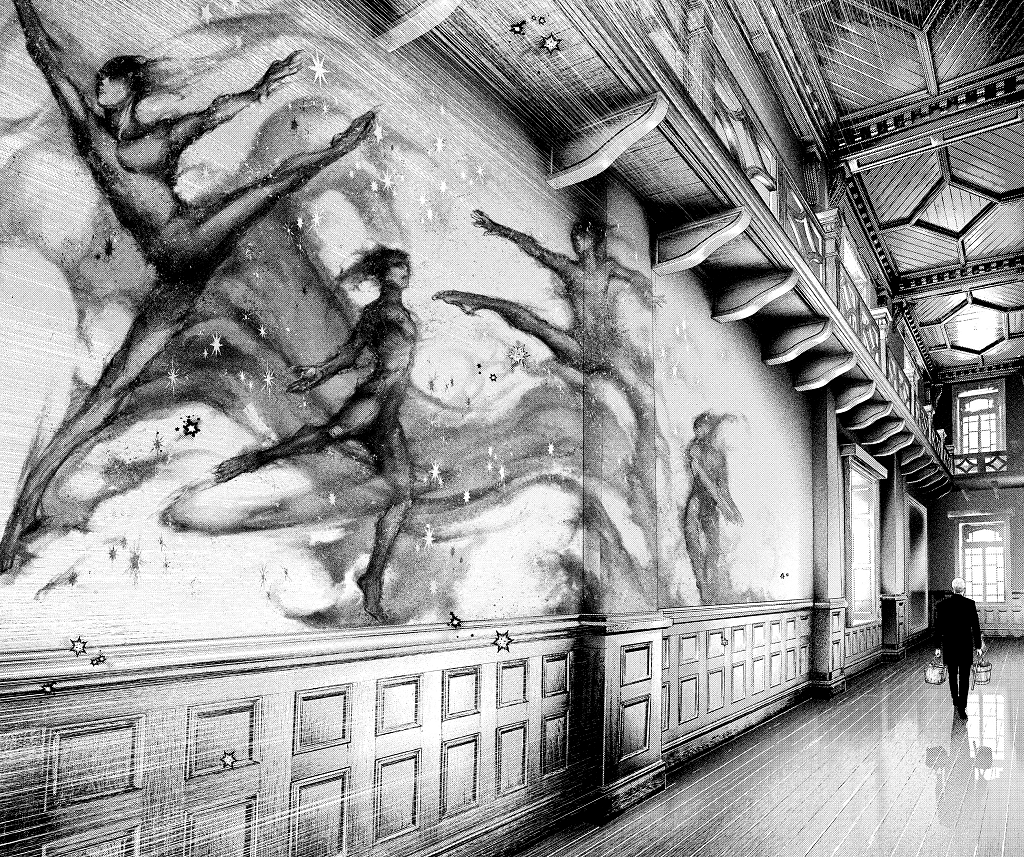
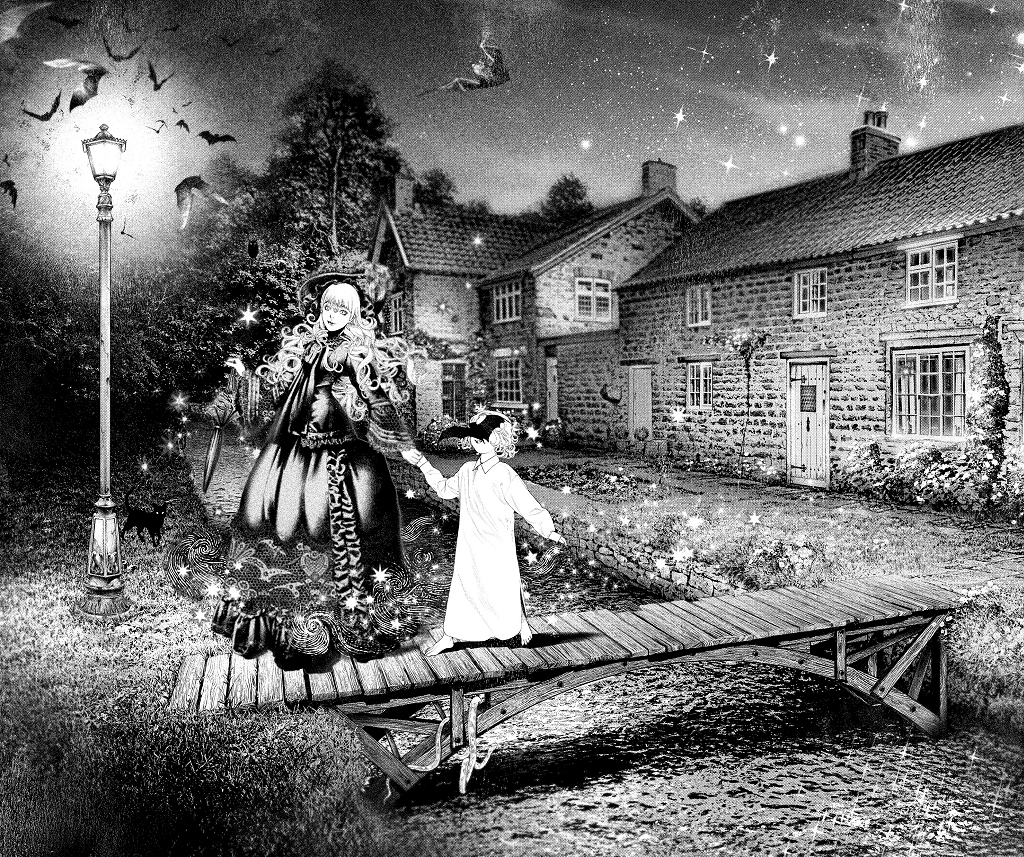
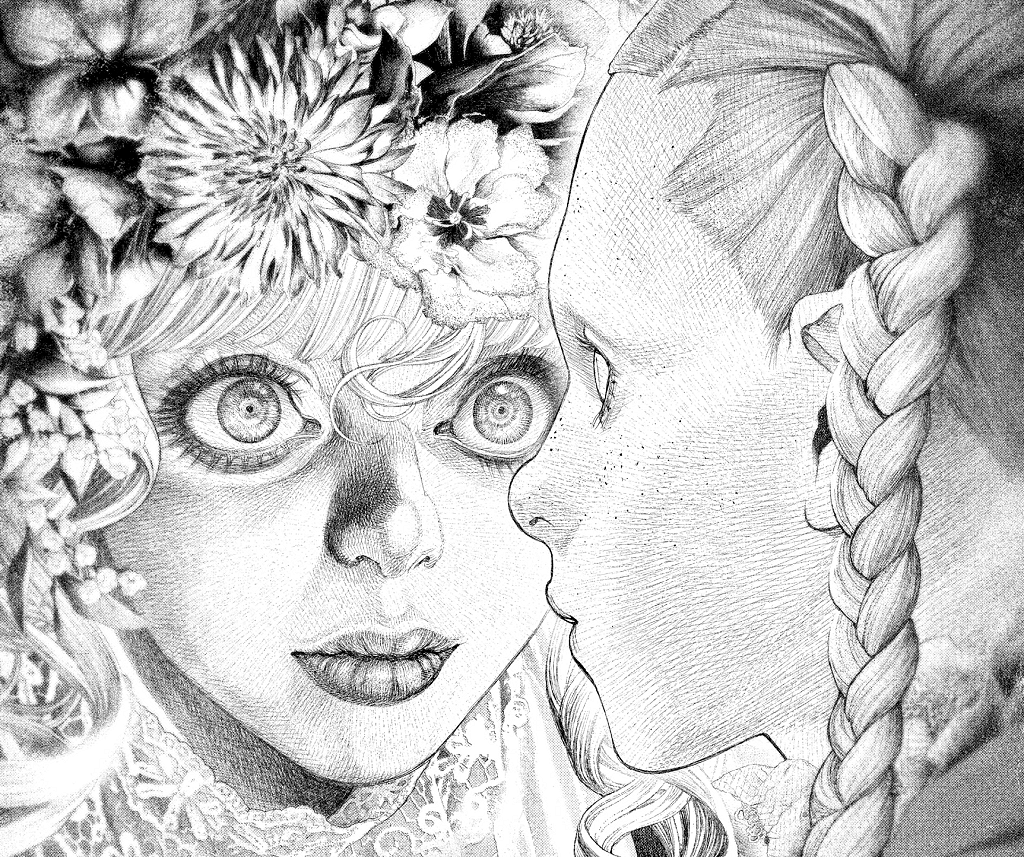
The novel’s Victorian gothic identity is stunningly realised in author Sakamoto’s distinctly extravagant and elaborate style. Grand cathedral interiors and moody foreboding churchyards are illustrated with such depth they are almost photographic in their realism. These impressive locales are inhabited by a well groomed cast (the manga has a dedicated tailor and costuming personnel among its credits), with Lucy particularly elegant; frequently draped in exquisite headdress and painstakingly detailed lace. Sakamoto’s characters are flamboyant and expressive, brought to life through tremendous technical skill, with art often adapted from real-life references the author had sewn or otherwise created himself.
The manga contains no sound effects whatsoever, allowing the art to tell the entire picture. Sakamoto, working entirely digitally, has commented that the ease and ability to continually alter his drawings means he is never really finished with them; his almost obsessive grasp for perfection—or maybe rather his endless love of drawing—results in pages and panels that are breathtakingly meticulous and commendably consistent.
The characters—their expressions—the clothing and even the violence are of such lavish and almost over-the-top detail they tend toward theatricality; in fact, more than once, certain characters are so emotive they break into dance. This aesthetic melds with Dracula’s ethereal portrayal to craft a series that is sometimes playful and delightfully camp, but which can quickly become unnerving, dark and even brutal.
What’s more, the characters themselves are brilliantly distinguished, not only in persona but also in design. I am particularly fond of the depiction of Mina; her wide eyes, long crinkled braids and gap-toothed smile shape a staunchly individualistic disposition, conveying a hardy woman confident in her own qualities even if others aren’t. Though Bram Stoker doesn’t specify much about Mina’s early life in the novel, in Sakamoto’s manga she hails from Lancashire. There’s some nice detail in the character’s heritage—which infers her with a fiery regional pride you often still see in Northern England today—while her love of Lancashire wrestling frequently gives Mina the confidence to stand and take action while others dither.
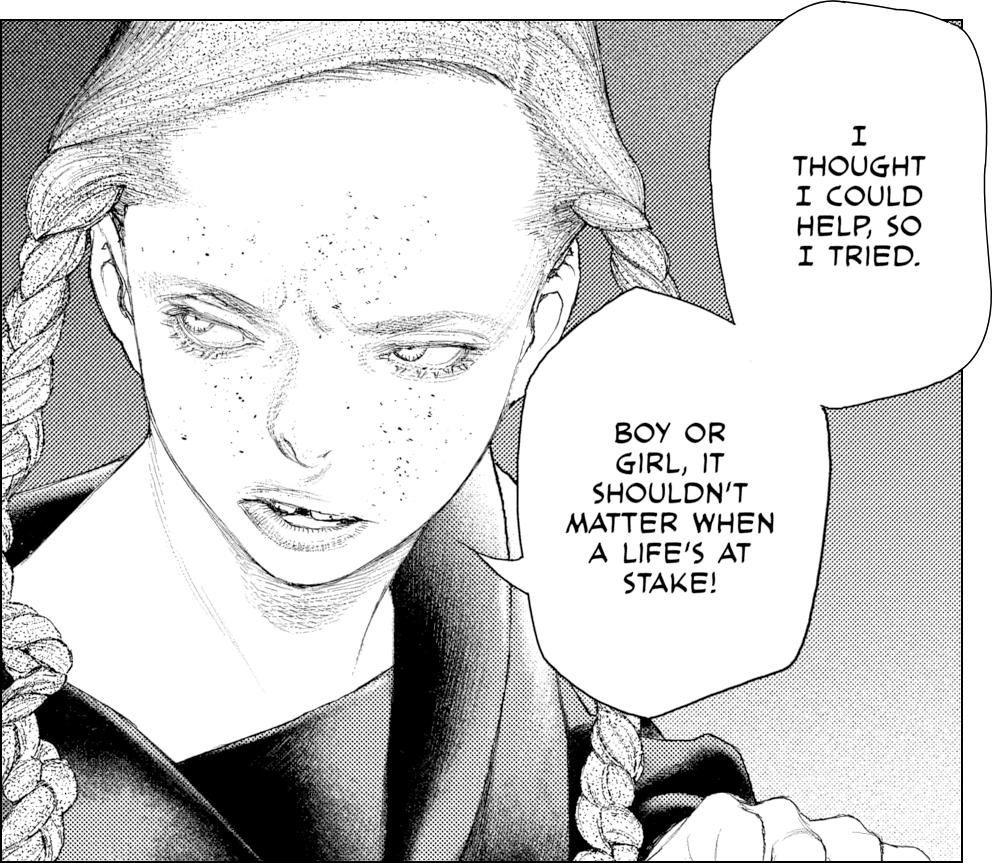
Though the translation of the manga is written using American English, the translator makes some effort to portray differences in language and speech by using British English spellings for certain English members of the cast, while Van Helsing is afforded a rather antiquated way of speaking, with old-fashioned and formal terms that highlight his studiousness and esteem. This is very inspired and not only does it aptly express the diversity of the cast (aided further by the clever use of cultural phrases, which illustrate nationality and class), but the technique helps characterise them in a subtle but extremely effective way.
However, the spellings slowly become awkward and inconsistent the further the manga progresses, with English characters freely swapping between British and American inflections. I applaud the effort wholeheartedly, but it is in need of proofreading, with other clumsy errors also slipping through (in chapter forty-six—regarding the date of one of Jack the Ripper’s murders—despite Sakamoto writing 1888 in the original publication, this date somehow becomes 1988 in the translation).
Nonetheless, little can be done to distract from what is an attentively developed and diligently crafted manga. Despite some minor errors, the hardback Viz editions do espouse quality, with the typesetting much more creative than in most English-translated manga, with certain artistic approaches faithfully replicated from the original Japanese version. In a hymn scene, for example, different fonts are used to denote different character voices, while the drop shadow effect is used to emphasise several voices in unison. It may seem trivial, but such techniques—along with aspects such as period accurate dialogue—truly help give life to the scene.
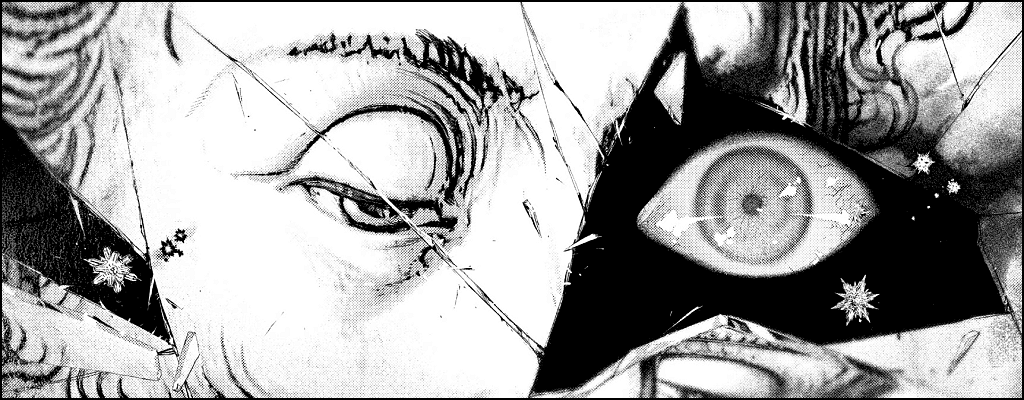
As the story has progressed, the core group—who dub themselves the Camellia Club—have become fragmented and changed beyond their placid introductions, with Dracula’s darkness frequently bombarding their sanity. With no adult figures to rely upon, the young cast are forced to confront their insecurities and leap into an early adulthood, which for some is a more literal metamorphose than others.
The manga appears to be approaching its final confrontation, five years after it began publishing, but who knows what other thrilling deviations the author might have in store. Shinichi Sakamoto has experienced a bit of a boom recently, with all three of his most well-known series—The Climber, Innocent and #DRCL Midnight Children—currently being published in English for the first time. Each manga would make a sublime entry into the wonderful world of Shinichi Sakamoto, but it is his version of Dracula that has impressed me the most. I am smitten with its nebulous horror which equally frights and unites the manifold cast, who strive to uncover mystery and enact retribution like a disgruntled Famous Five. I can’t wait to see where it all ends up.


Thank you for this incredibly articulate and illuminating post. I love the source material so it’s been a blast seeing how the characters are reinterpreted but also stayed consistent (the bloofer lady scene in the manga gave me chills). Catch as catch can!
LikeLiked by 1 person
Thank you! I was so impressed with the manga, I had to get my thoughts down! Absolutely, I love how certain parts are dramatically redefined and others so affectionately adapted. It’s been such a thrill to read from start to finish. I can’t wait for the next volume!
LikeLike