While there is no objective answer to which manga author produces the best artwork, the topic certainly has its usual suspects, headed typically by the likes of Takehiko Inoue, Kentaro Miura, and Yusuke Murata, among many others. These go-to authors are rightly cited for their impressive consistency and artistic prowess, yet for such an extensive medium, naturally there are many others of equal aptitude who tend to fall through the cracks. Such authors may produce more ‘indie’ or ‘cult’ works, which aren’t as visible in comparison to some of the more mainstream heavy-hitters, especially to a Western audience, whose manga catalogue is narrower than its domestic Japanese offering.
It is my aim today to highlight some of these lesser known manga authors, whose illustrations are nonetheless skilful and wholly spectacular. Below you’ll find a list of five artistically gifted mangaka, accompanied by examples of their artwork, as well as a succinct write-up of their career, style and stand-out work. If there are any names you’d add to the list — I’d love to know! Please leave a comment or reach out over at MyAnimeList.
For more manga art musings, check out 5 Manga With Unique Art Styles.
——————–
Masashi Tanaka
Masashi Tanaka gained recognition in 1991 for his manga Gon, which ran infrequently in Kodansha’s Morning magazine until 2002. The series—which is about the adventures of a small dinosaur—is notable for its visual storytelling, with narratives told entirely through the art, without any dialogue or sound effects. Tanaka would delight with stunning illustrations in every chapter, portraying impressively detailed realism in his depictions of flora, fauna and the environment, as well as a knack for humour and visual comedy in his characters’ action, reaction and expression. By the time he began work on Gon, Masashi Tanaka had already completed several spectacularly illustrated works, though none had quite found the fame and longevity the artist might have hoped.
The author’s first published manga was a 1983 oneshot titled Demon, in which an Imperial Court swordsman is warped into a grotesque demon and thrust into a showdown with a former comrade and friend. Masashi Tanaka’s artwork is immediately impressive, with a fine command of light and shadow which form some tremendously dramatic scenes. Throughout his career, the artist has depended on his penmanship to craft shade and detail, with less a reliance on screentone. The result is an exceedingly striking and defined style, in which both the foreground and background are equally meticulous. Though this is less apparent in Demon, which possesses an early style which is bold, but much looser and less intricate in its linework in comparison to Tanaka’s latter painstakingly detailed illustrations, which took shape in his more violent and risqué manga which was to follow.
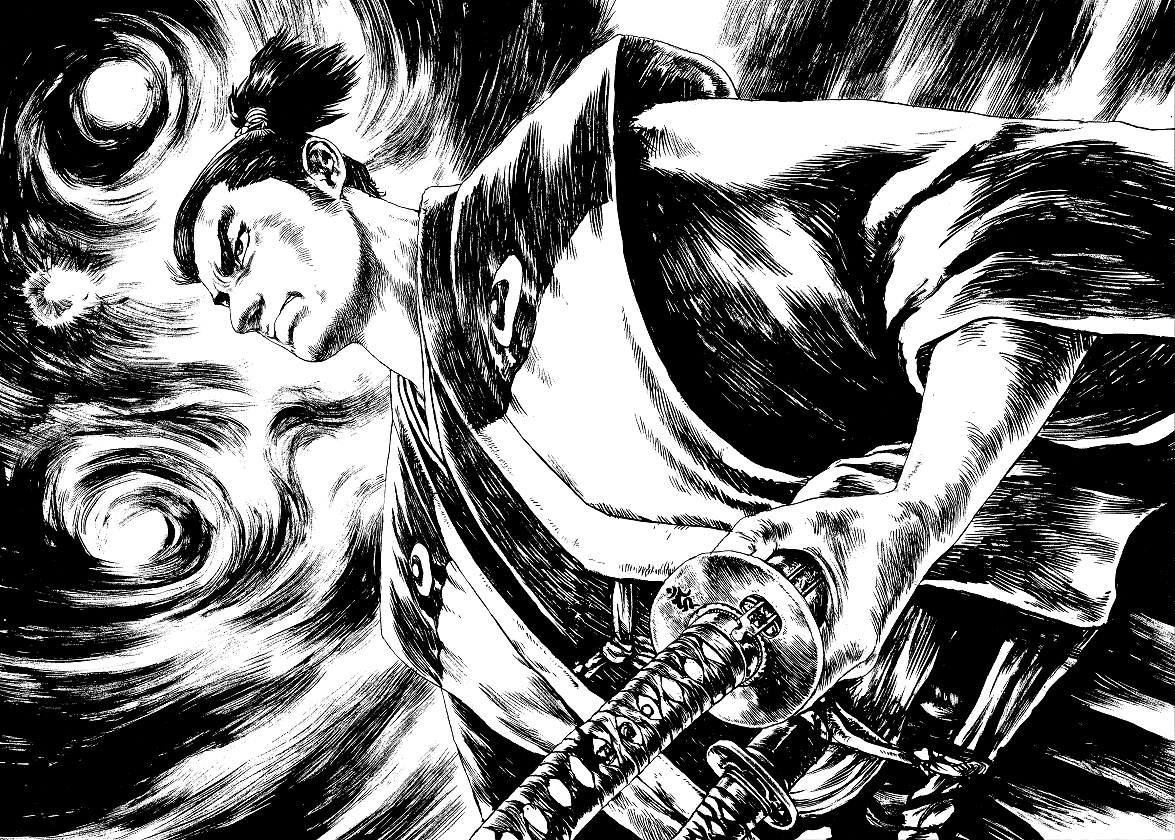
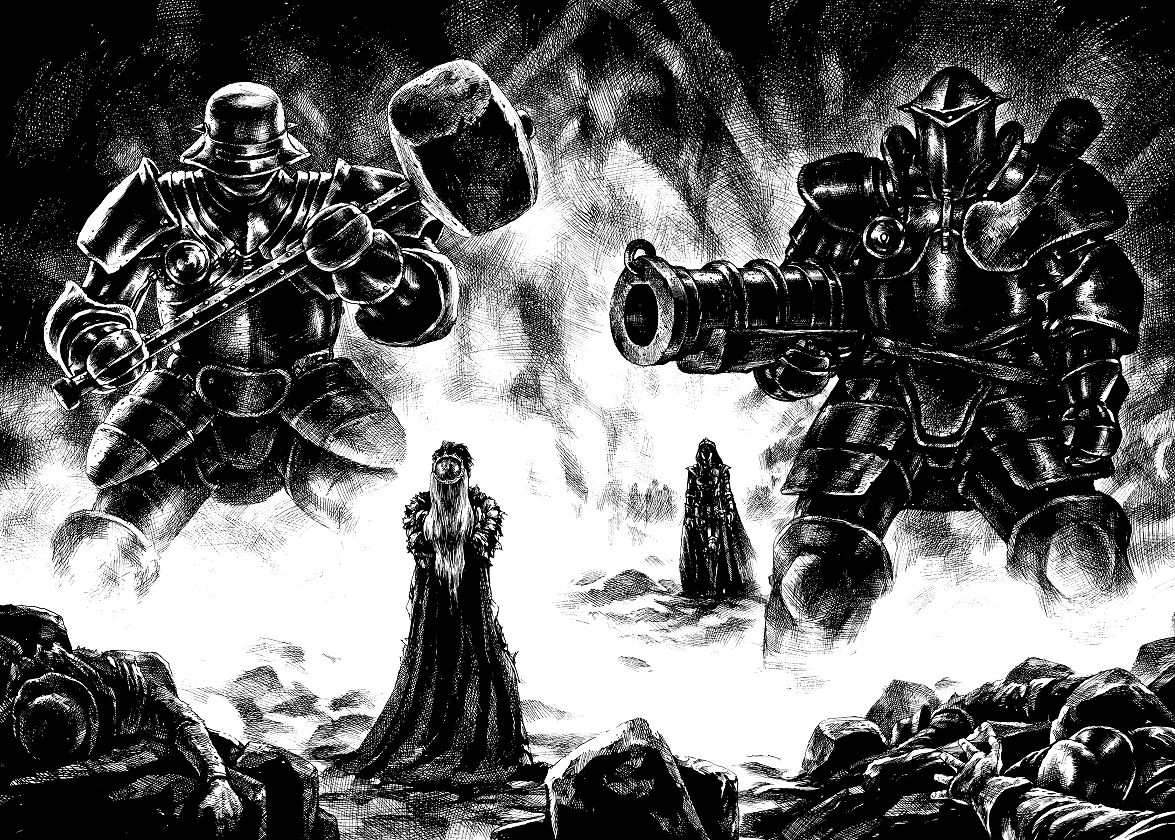
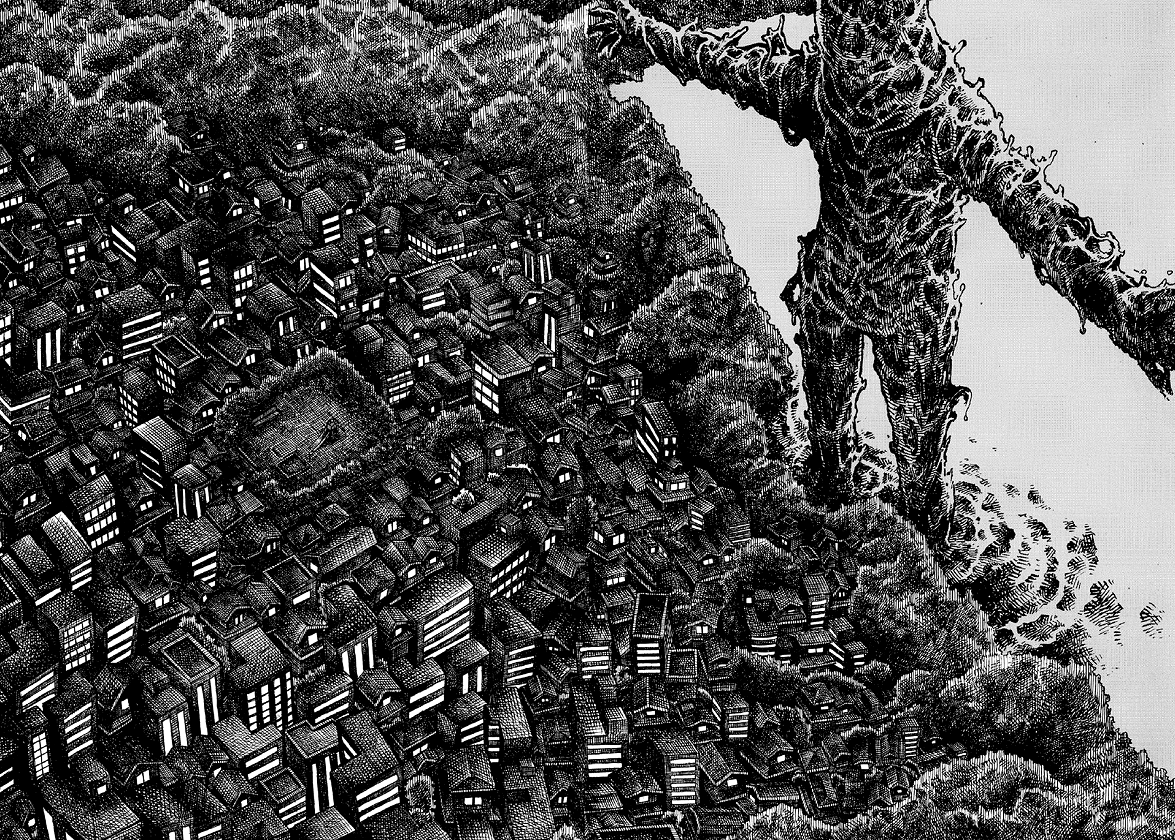
In the early 1990s, the author released two single volume works, titled Unidentified Prince Object U.P.O. and Samurai Daibouken, whose content is starkly contrasted with the affable hijinks of Gon. In U.P.O. a self-declared prince adventures to find his ideal princess, engaging in skirmishes across realities, from WWII era dogfights into fantasy battles with enormous Berserk-esque figures. In Samurai Daibouken, a historical Japanese setting is upended by a gigantic and destructive omni-dimensional being, who is pursued by a lone samurai into a sandbox world both nightmarish and majestic in its imagery, where the samurai fights to preserve humanity. Both manga are totally wild to say the least and are more than a touch explicit, but their artwork is veritably stunning. Masashi Tanaka illustrates lucid settings and wholly imaginative scenarios which are jaw-dropping in their detail, sketched masterfully with dynamic linework and meticulous cross-hatching.
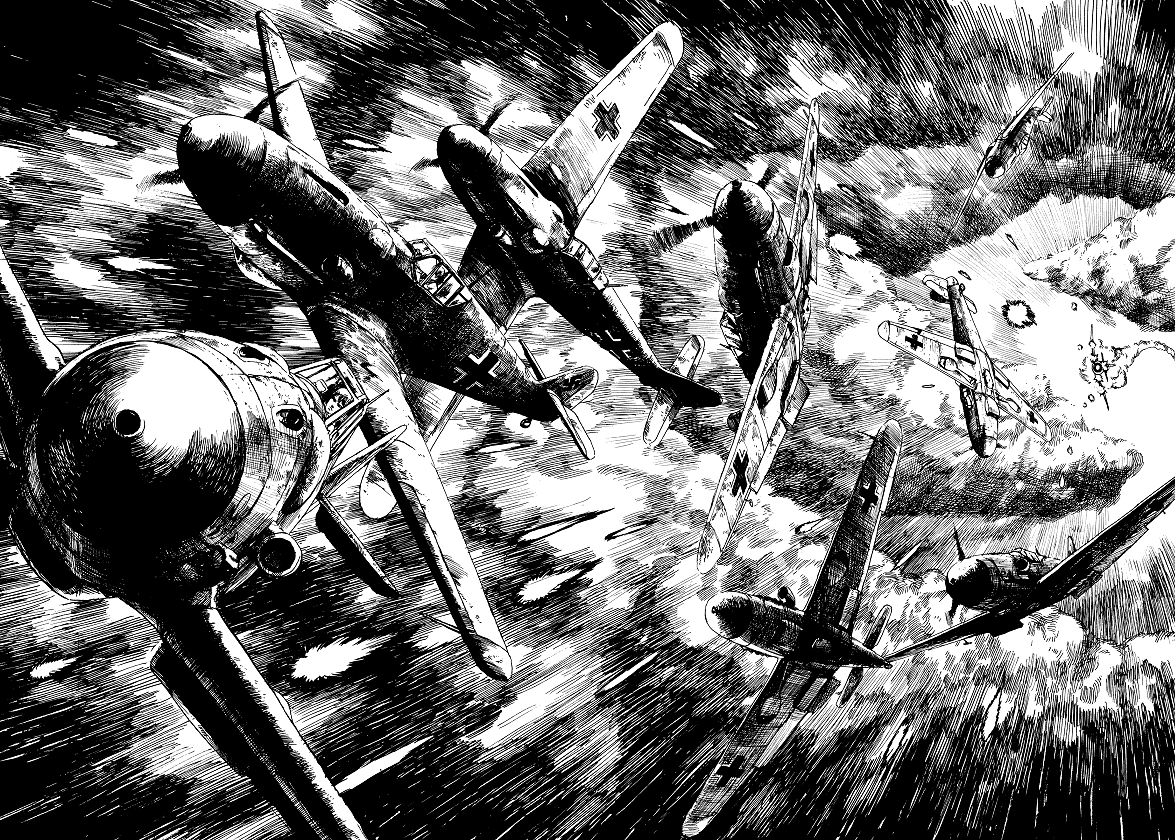
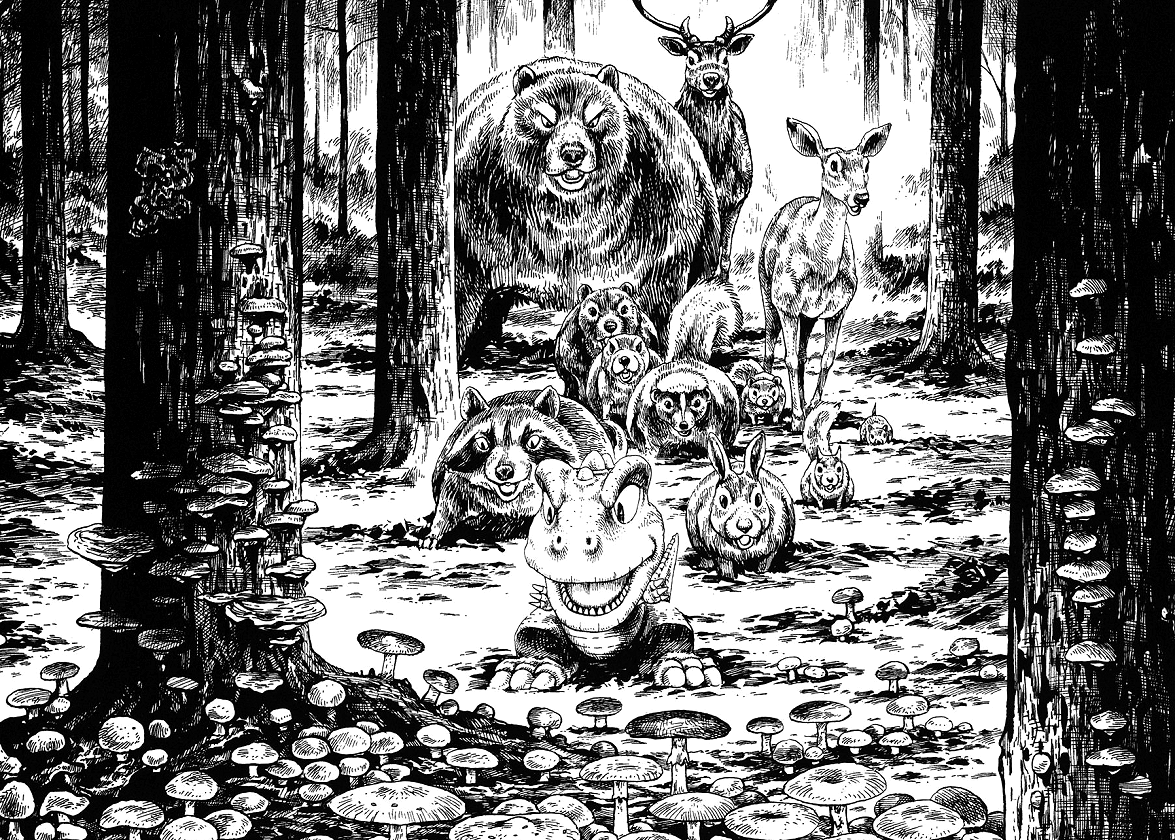
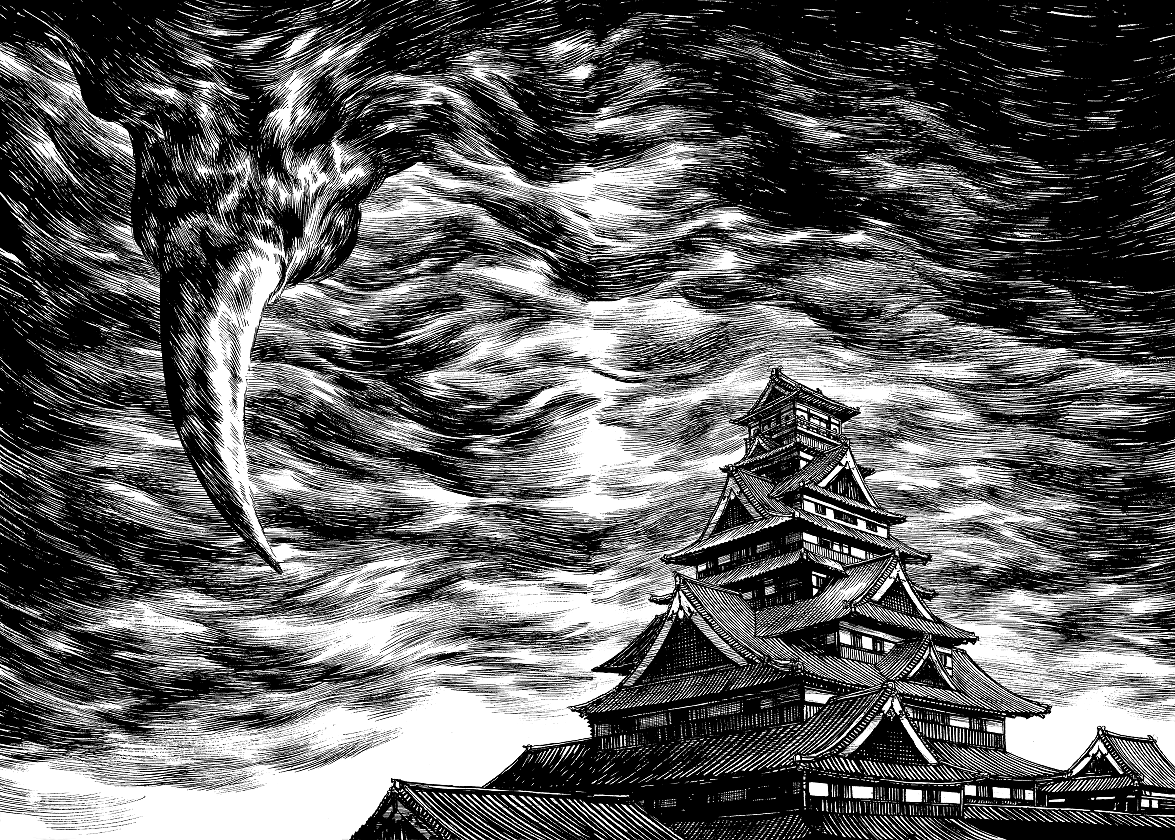
[1, 5] Samurai Daibouken ➤ [2, 3] Unidentified Prince Object U.P.O. ➤ [4] Gon
——————–
Youichi Abe
Youichi Abe hoped to become a manga author from an early age and ultimately went on to study the profession at university. In 2006, two years after graduating, he made his debut. His first two series—Strange Tales of the Young Girl Makora and Vanilla Spider—laid the groundwork for what would become an impressively distinguished style. Abe’s illustrations, characterised by bold linework and crisp detail, bring to life eccentric and often darkly humorous tales, born of a fascination for all things strange and supernatural.
The author’s most prominent manga is Blood Diver Ringo and the Fishbowl Man, a five-volume series that is as bizarre as it sounds. The story tells of an enigmatic slender man-esque entity with a fishbowl for a head, who is known to kidnap people following a rainstorm and turn them into goldfish. Out to foil his malfeasance are a small army of high-school girls who work as ‘blood divers,’ whereby they shrink themselves down, enter a victims bloodstream, and purge it of toxins. The concept is completely outlandish, but Youichi Abe moulds it into something which is as persuasive and thrilling as it is cartoonish. “The point of manga is to show ideas that are tough to explain with words alone,” remarks a manga-loving character in another of Abe’s series, who seems to be in-part a stand-in for the author himself. Sure enough, time and again Youichi Abe brings forth wild ideas that are cannily articulate and impressively envisaged on the page.
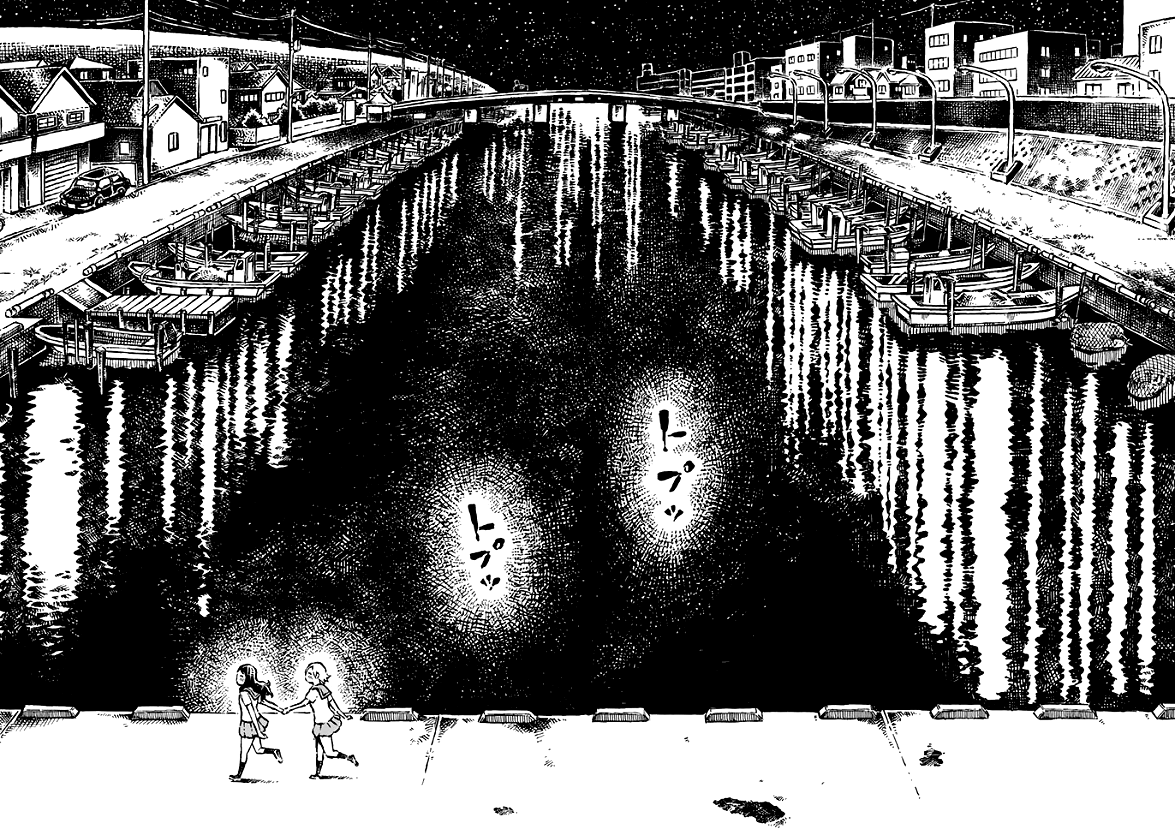
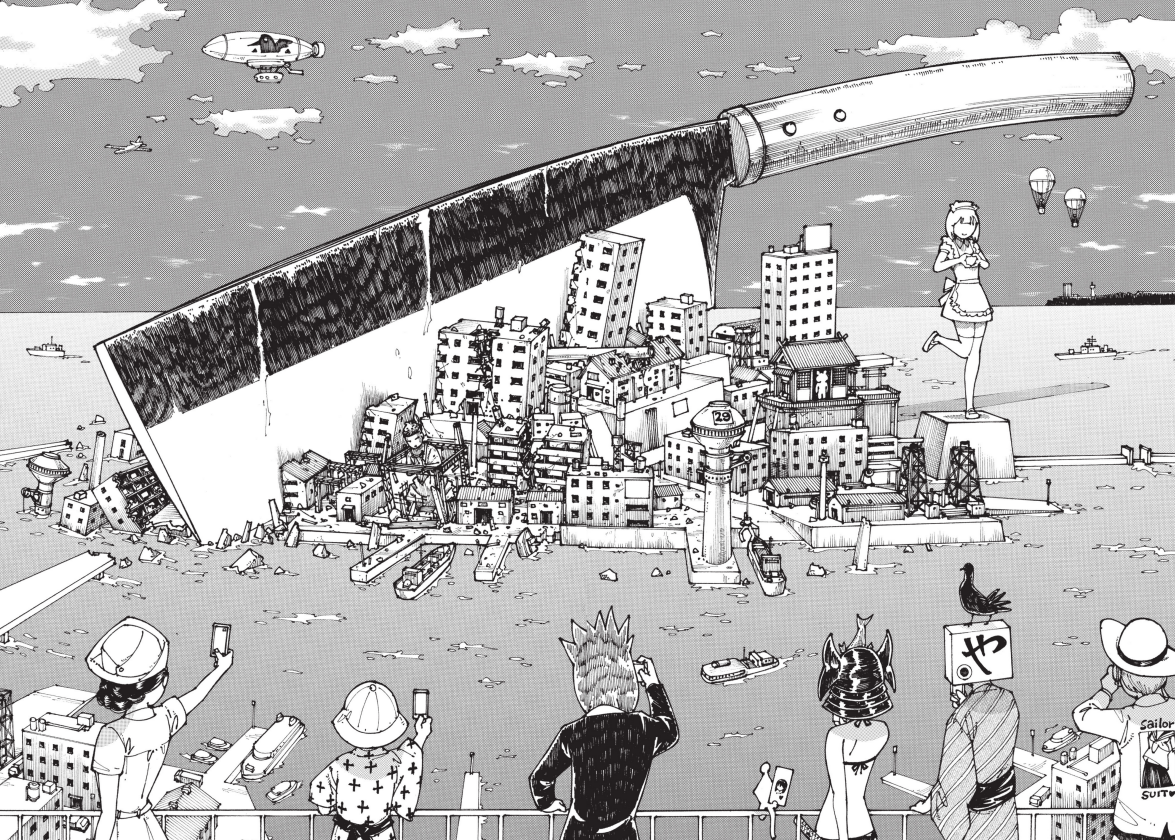
Other representative manga include the short story collection The Bitter Orange, Translucent it Goes Back to Sleep and Abe’s most recent series Sheeply Horned Witch Romi. A self-admitted slow worker, all of the author’s manga are relatively short, though—owing to their well realised concepts—they are very memorable, with Youichi Abe evidently striving to create something which is fun to read above all else. Though his manga are fantastical, the author brings a lot of his heritage to his work, often illustrating docks and sea life, having grown up by the sea in Chiba. Japanese school settings and suburban environments also feature heavily. These locations are illustrated with impeccable clarity, while his characters possess a slightly distorted aspect, often drawn with exaggerated and unusual details. This penchant for detail is taken to eleven in the authors set pieces and page spreads, which are visually and technically striking owing to their ingenious compositions and terrific scope, where not a single space is wasted.
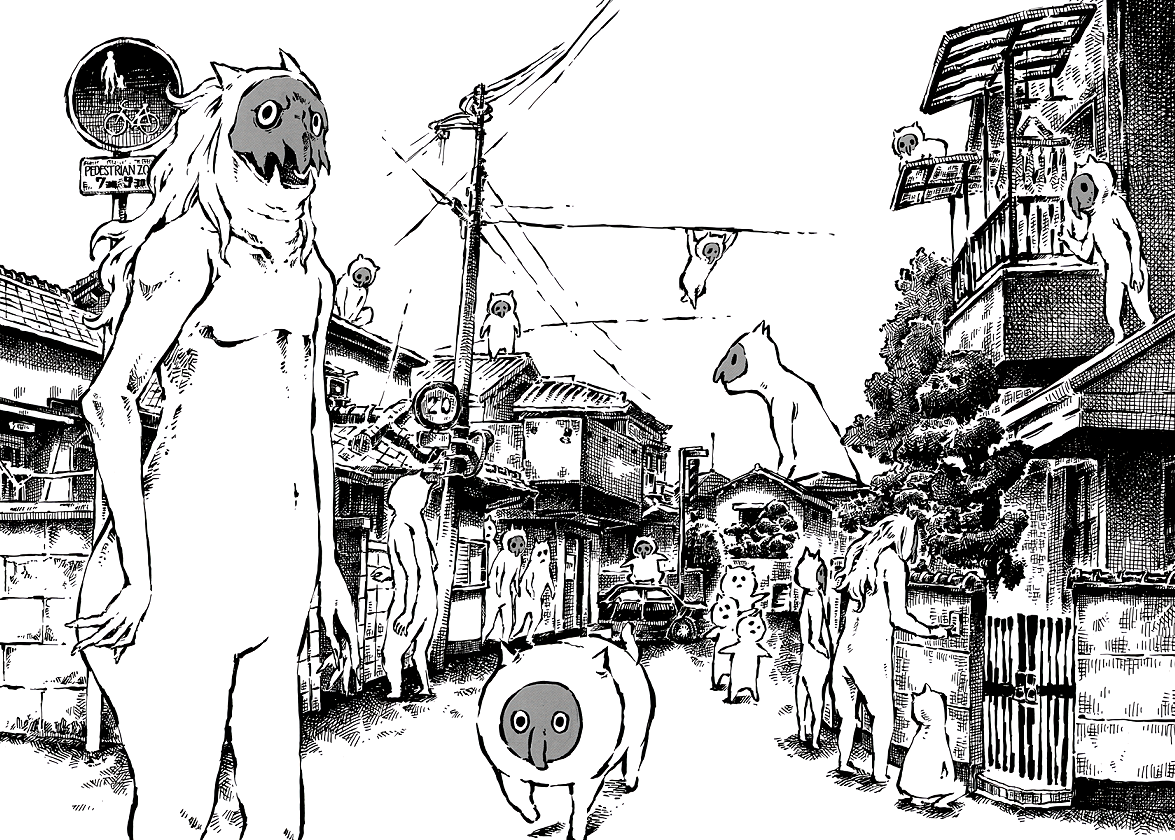
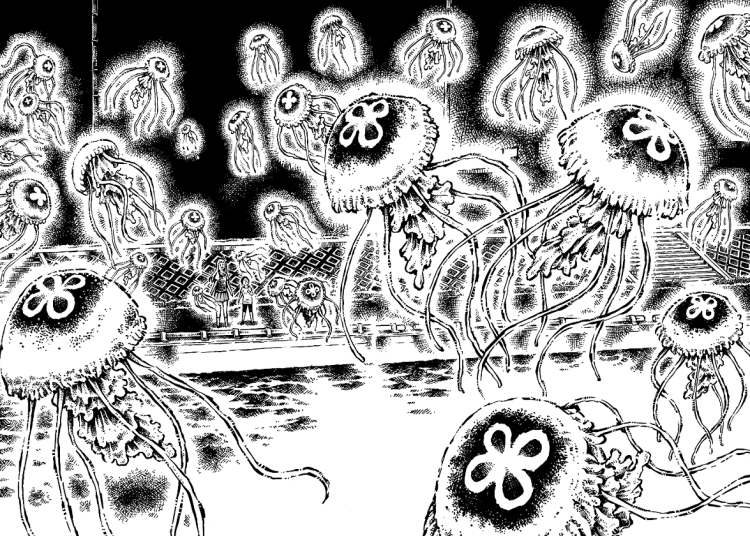
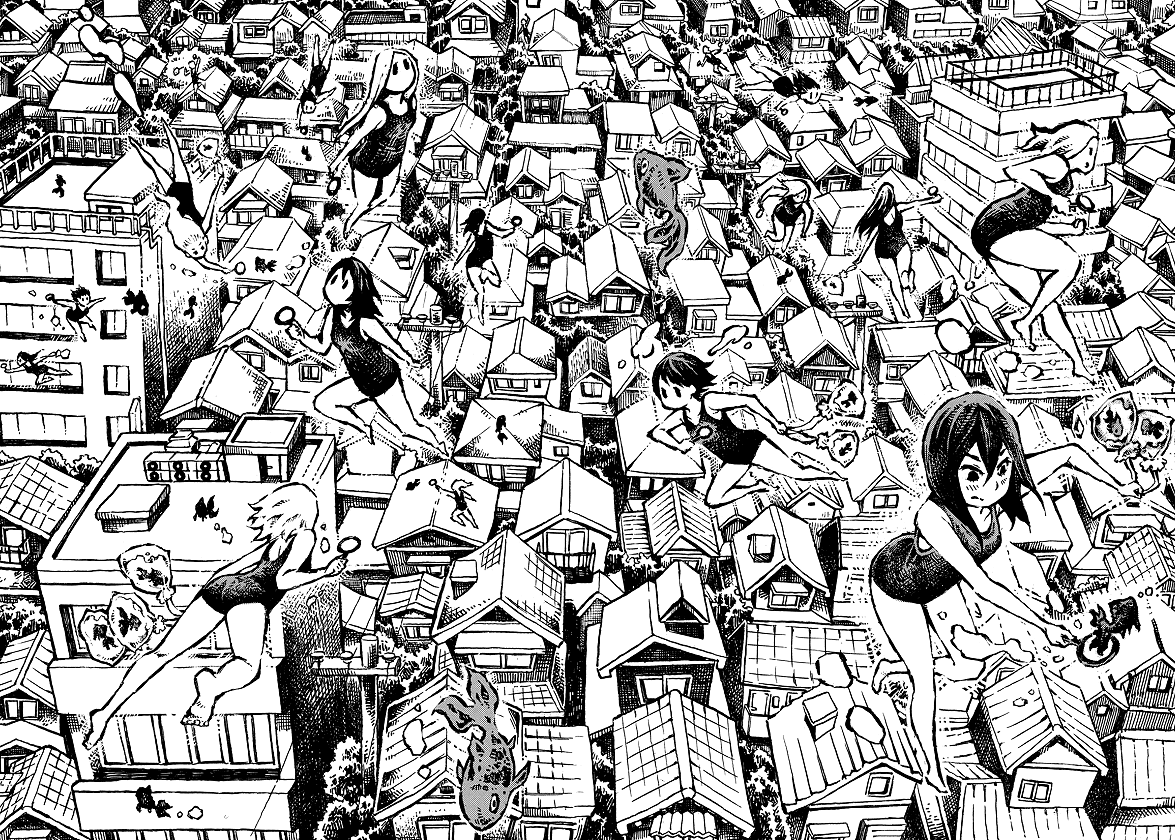
[1, 4] The Bitter Orange, Translucent it Goes Back to Sleep ➤ [2, 5] New Blood Diver Ringo and the Fishbowl Man ➤ [3] Onikujo
——————–
Riichi Ueshiba
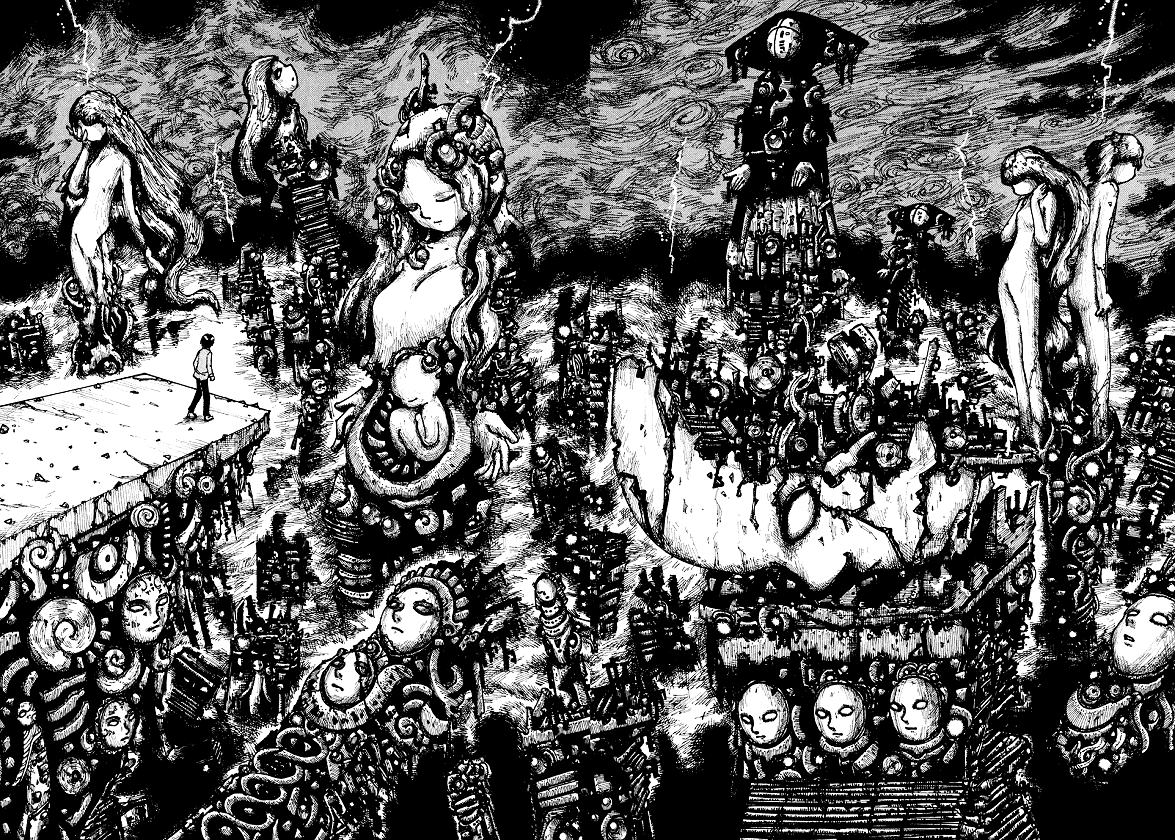
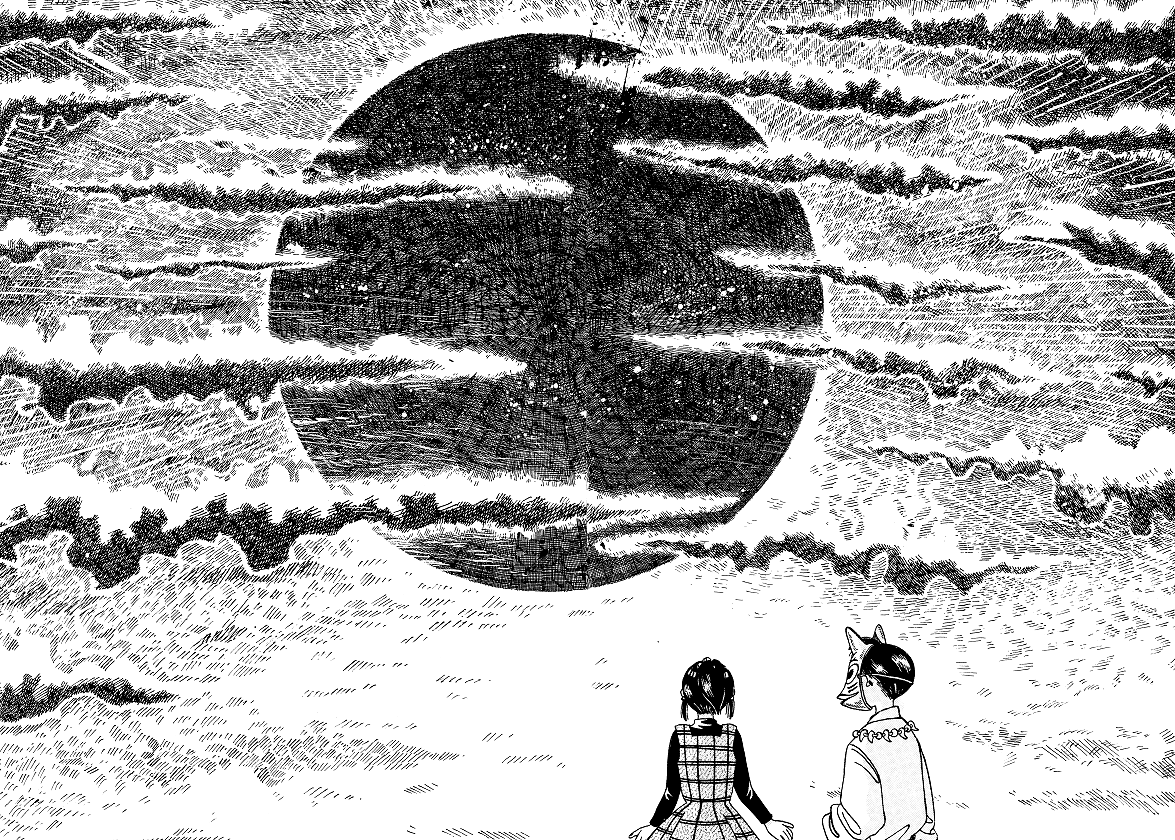
Riichi Ueshiba is most famous for Yume Tsukai and Mysterious Girlfriend X, two manga written at the peak his career which were adapted to anime. However, it was immediately clear from his debut that the author was an exciting talent. Whilst still at university in 1991, Ueshiba premiered a short manga titled Discommunication, which was published by Kondansha in their popular Morning magazine. The manga went on to become a decade-long series which is spectacular for its thoroughly detailed artwork and painstakingly researched narrative.
Discommunication follows the fledgling relationship of Togawa and Matsubue, which is off to a rocky start thanks to Matsubue’s fascination with the occult, with Togawa caught amidst all manner of strange rituals and uncanny encounters. Right from the get-go, Ueshiba’s linework is fine and precise, while his stand-out pages delight in their many forms; some with moody inking, others with a mastery of shade and tone, and more still with immaculately sketched minutiae, where panels are filled to the edges with detail and reference. In his early series, the author borrows extensively from Asian folklore; staging wondrous escapades into magical realms that are often awe-inspiring in their imagery. He steps away from these fantastical settings to more grounded locales in later manga—namely Mysterious Girlfriend X and Ookumo-chan Flashback—but his backgrounds and scenarios are no less rich, with a modern classroom as bustling as a highway of spirits.
The author’s characters are surprisingly distinctive, given their relatively simple facial features and uncomplicated hairstyles. Riichi Ueshiba does a lot with a little; his character linework is minimal but never meagre. It has a seemingly effortless exactness that always hits the mark, particularly when it comes to expression and reaction. The adolescent relationships of these lively characters are often a focus, where Ueshiba charts love and sexuality through elaborate journeys in and out of the psyche. These escapades are not without some discordance, with Discommunication and its spin-off Yume Tsukai containing parts that are a tad convoluted or drawn-out, but visually they never tire, with artwork that is staggeringly ornate and creatively interpreted, often making use of fascinating religious and mythological motifs. No matter the series, Ueshiba’s dedication to detail—seen in walls collaged by graffiti, in boundless paraphernalia on a detectives desk, in cabinets decorated with artefacts and shelves chock-full of figurines, and in all the tiny nuts and bolts of a robot—ensures that his worlds feel lived in and loved, and no less passionately crafted.
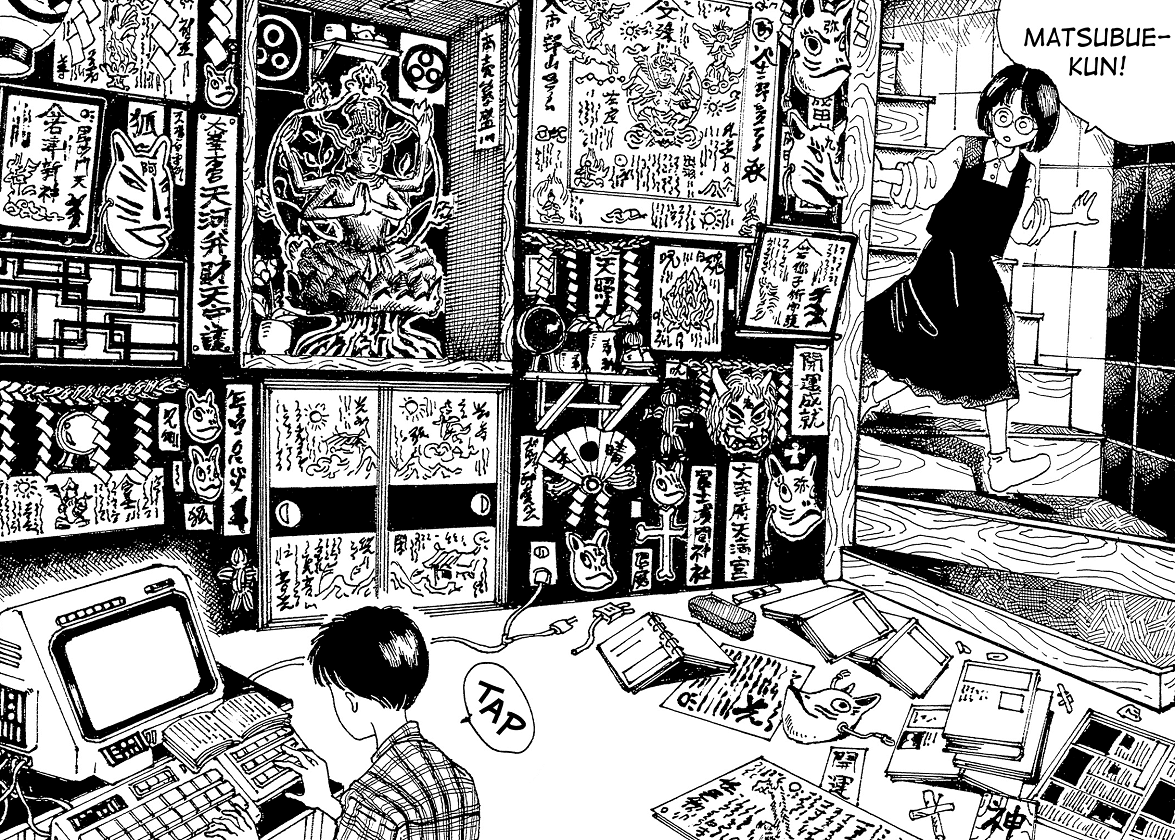
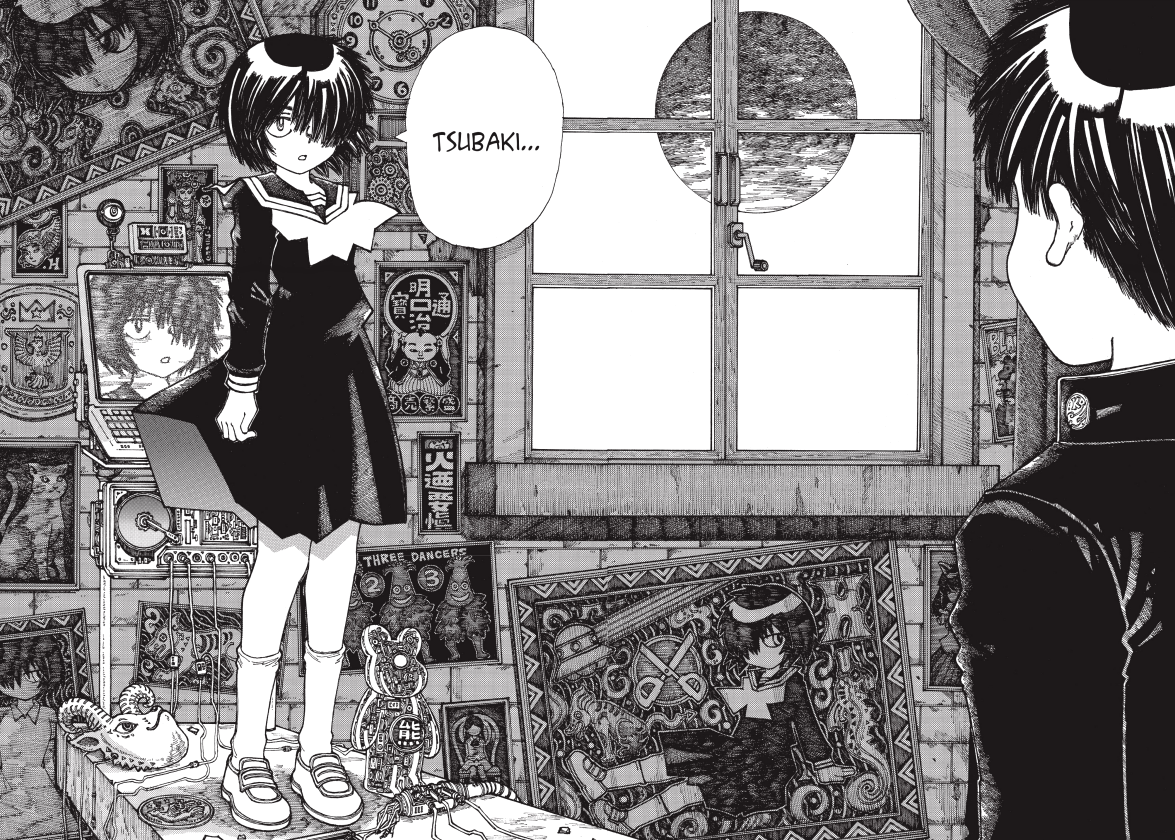
[1] Yume Tsukai ➤ [2, 3] Discommunication ➤ [4] Mysterious Girlfriend X ➤ [5] Neo Parasyte M
——————–
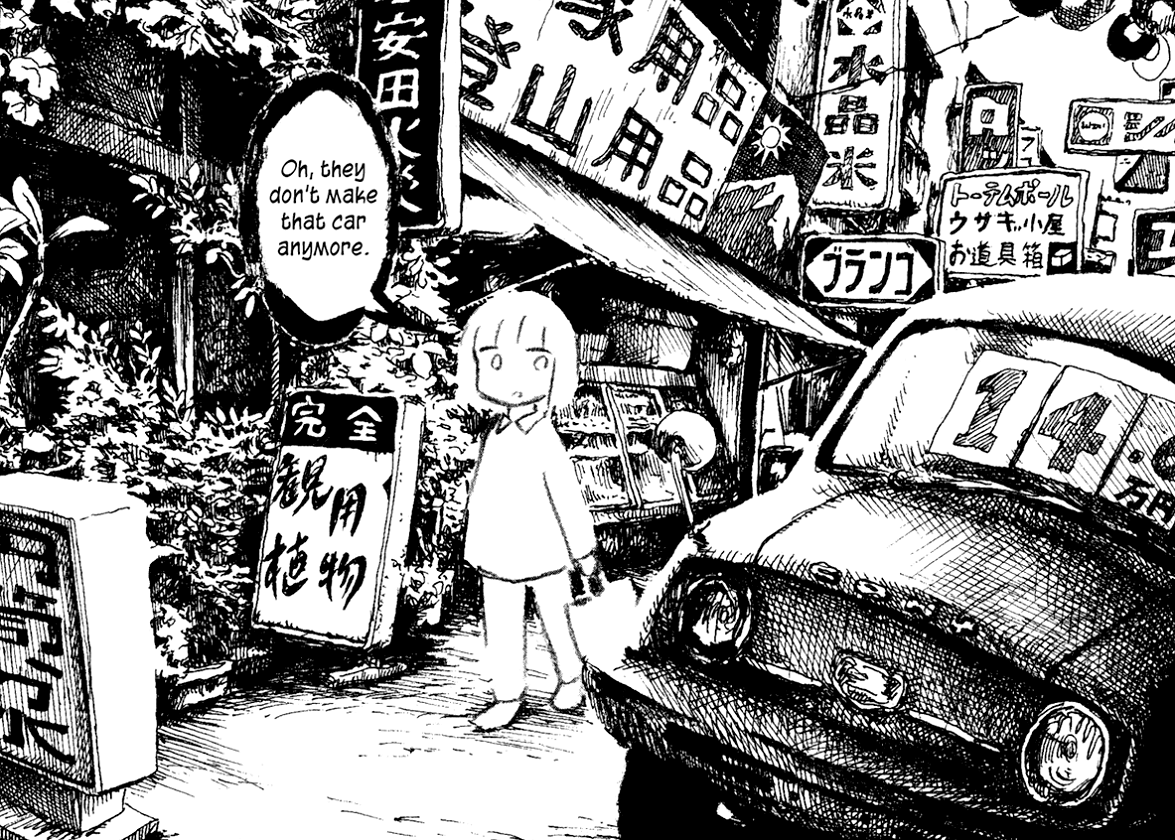
panpanya
Japan has a very exciting industry of self-published print works—known as doujinshi—propped up by enormous conventions where authors promote and sell their homegrown manga to thousands of eager fans. This was the genesis of panpanya, a pseudonymous mangaka who began publishing their short stories at Comita conventions in the late 00s. The author quickly became known for their artistic medley of episodic chapters, which feature an unnamed character whose curiousity finds them whisked away on all manner of adventurous tangents that put a surreal spin on the everyday. The author’s doujin work proved so popular it was published commercially in 2013 as an anthology titled Ashizuri Aquarium, with Hakusensha releasing a new panpanya collection every few years since. The most notable volumes include An Invitation from a Crab, Guyabano Holiday and Pillow Fish.
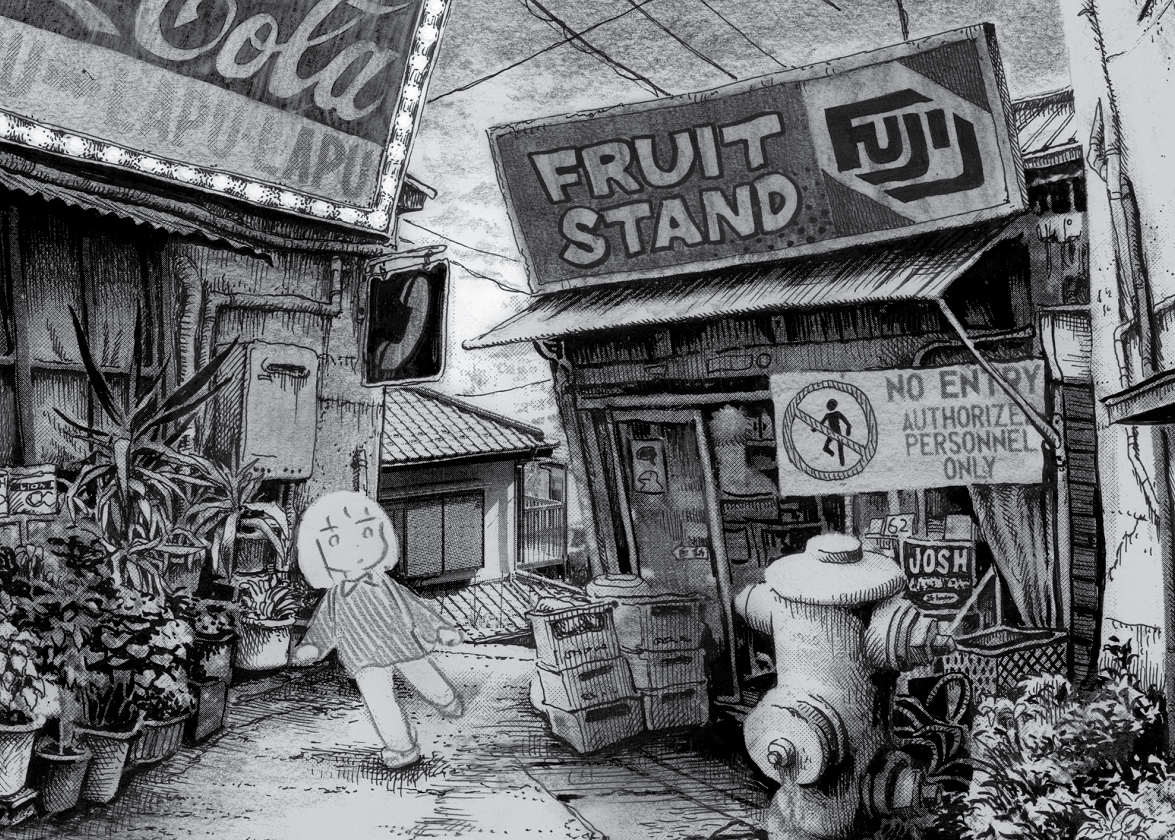
Though the author’s oneshots are largely unconnected, they feature a recurring cast, with the central character often a stand-in for panpanya themself. The main characters are almost always drawn in oversimplified, minimalist fashion, juxtaposed against impressively adorned and impeccably sketched backgrounds. This style lends many of the stories a reverie-like quality, where simple scenarios such as walking a different route home or trying new food are made all the more fascinating with art that often incorporates the unassuming characters’ emotions and imagination, fixing on unusual details and fanciful interpretations. Conversely, some of the more grounded shorts—particularly those in Guyabano Holiday—read like a diary or travel journal, highlighting different cultures and customs, always with an inquisitive and inventive touch that relatably conveys the characters’ experiences.
Tokyo and urban environments are a recurrent setting, with panpanya keen to explore nooks, crannies and other hidden places full of unique character. The light and shadow of these locales is illustrated with impressive flair, composed of heavy inking and hatching alongside a clever employment of negative space. Panpanya often emphasises abstraction and psychological states through the use of different art mediums; sometimes drawing chapters in pencil and shading with brush pens. The author’s manga are quick to grab the reader through their visual appeal, but it is the ways in which the art complements the narrative that truly makes them shine. The dreamlike manner of the work—the sense of experiencing something familiar in an entirely new fashion—promotes an infectious practice of noticing curiosities in the commonplace. The author’s wonderful illustrations are underpinned by a poetic voice that is resonant and bountifully creative, teasing the most astonishing and lovable tales out of seeming mundanity.
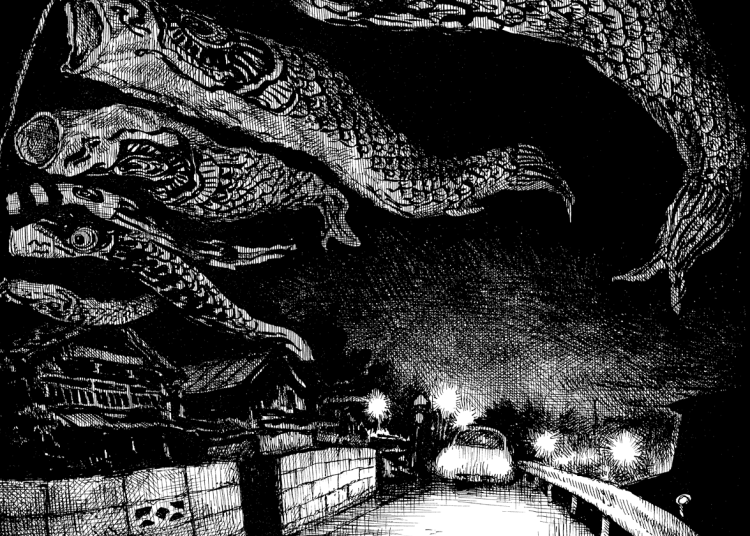
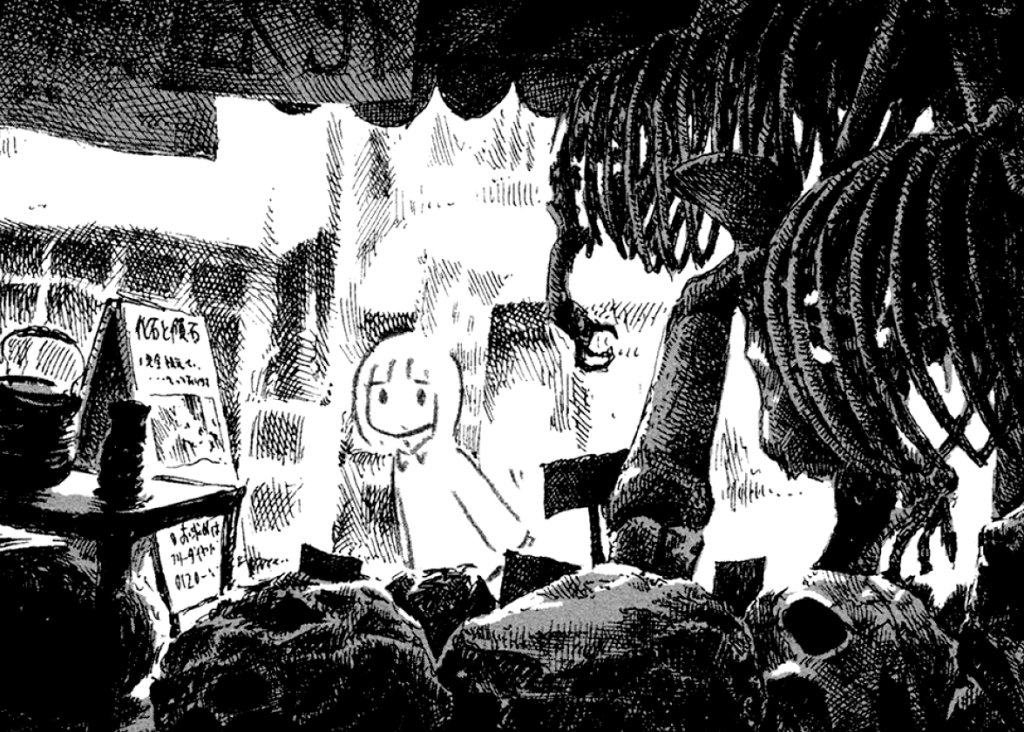
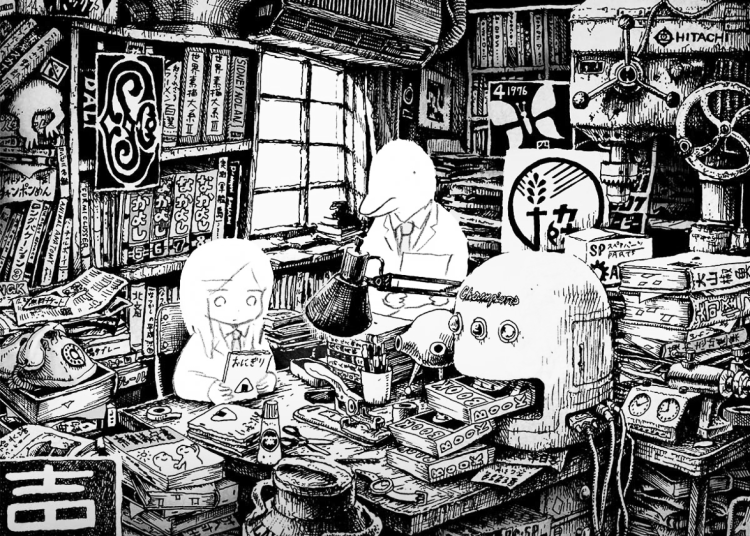
[1] Guyabano Holiday ➤ [2, 4] Ashizuri Aquarium ➤ [3] An Invitation from a Crab ➤ [5] Original / Siroysei Expo 6
——————–
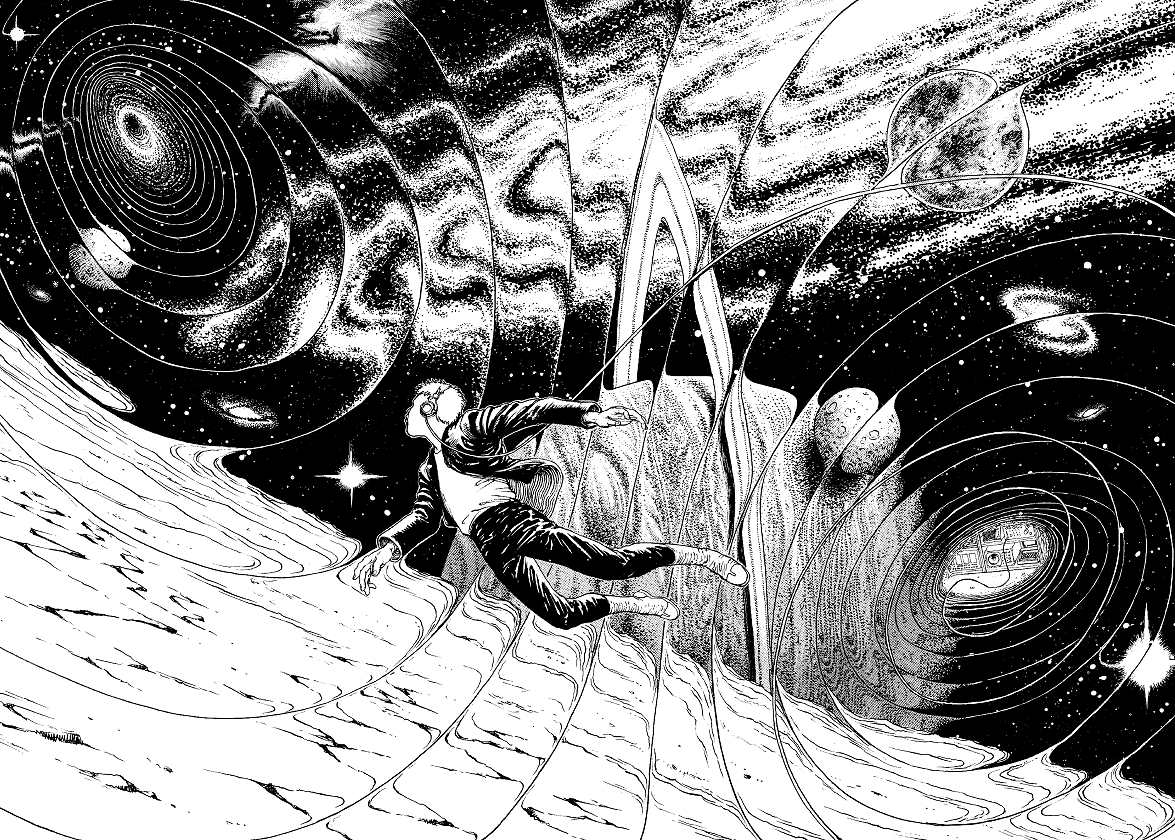
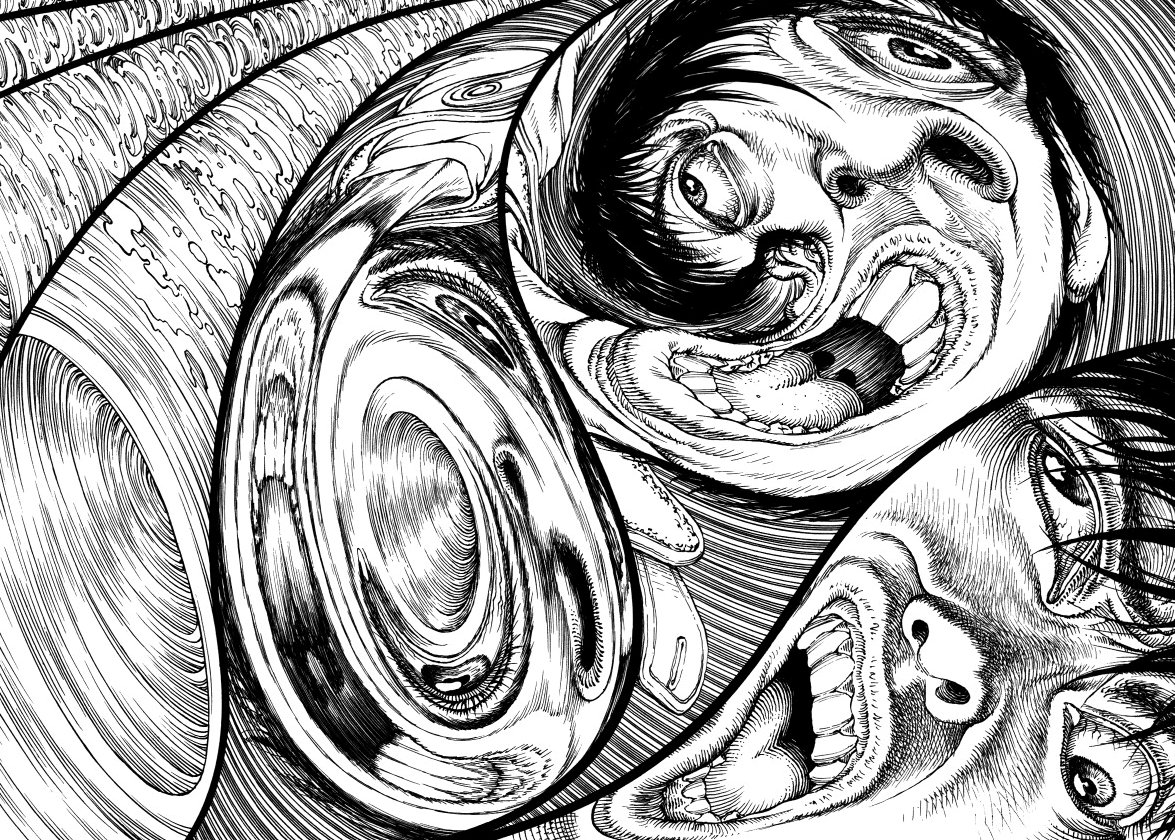
Keiichi Koike
Keiichi Koike hit the ground running, becoming—at the time—the youngest ever winner of the prestigious Tezuka manga award for his debut work Urashima, which he put together in 1976 when he was just sixteen years old. The oneshot manga reimagines the Japanese folktale of Urashima Taro through a sci-fi lens, with a time traveller using the premise to warn humans of hubris and dystopia in a far future society. This early manga signified several of author Koike’s preferred thematics, including science fiction, space-time distortion and dystopian societies.
The author continued with more short stories, publishing several a year throughout the 1980s. While his initial art style was quite representative of 1970s shounen manga, by this point Keiichi Koike had adopted an exceedingly intricate and highly detailed approach. The content of his manga had also become more mature; informed by his own experimentation with hallucinogenic substances, Keiichi Koike began exploring psychology and psychedelia, with vivid representations of distorted consciousness and the breakdown of reality. The level of depth and detail in the author’s imagery is compared often to Moebius and Katsuhiro Otomo, yet there is still a flavour distinctly Koike’s own, particularly in his spectacular panelling and layering, through which he emphasises altered states with astonishing proficiency. Oftentimes his manga are without dialogue, and though they present experiences which are surreal and even mind-bending, the author has such an adept and inventive command of art that these notions are remarkably lucid and accessible to the reader.
In 2001, Keiichi Koike began Ultra Heaven with publisher Enterbrain. The manga is set in a future where drugs are legally sanctioned and follows a character named Kabu, whose reality is shattered after taking a powerful hallucinogenic drug. Sadly, the manga entered a hiatus in 2009 and has not been resumed since, but it would nonetheless become the authors longest and most well-known work. Kabu’s days-long, world-altering trips are rendered in vivid detail, as he struggles to escape from a seemingly never-ending odyssey of disintegration. These fantastical set pieces are consistently stunning, but the overarching plot does become difficult to follow and the characters are quite distant. It is clear Keiichi Koike prefers to work in shorter forms, where his concepts can flourish in their ideation and presentation, without the necessity for any rigorous characterisation or plot details. Sometimes the form itself is the very concept; in Koike’s manga Spinoza, each chapter is presented across a single page consisting of myriad panels arranged like a contact sheet, forming dialogue-less sequences of characters shifting through dimensions. There is a palpable sense of awe throughout Keiichi Koike’s work, with his concepts and compositions ever-impressive in their mastery.
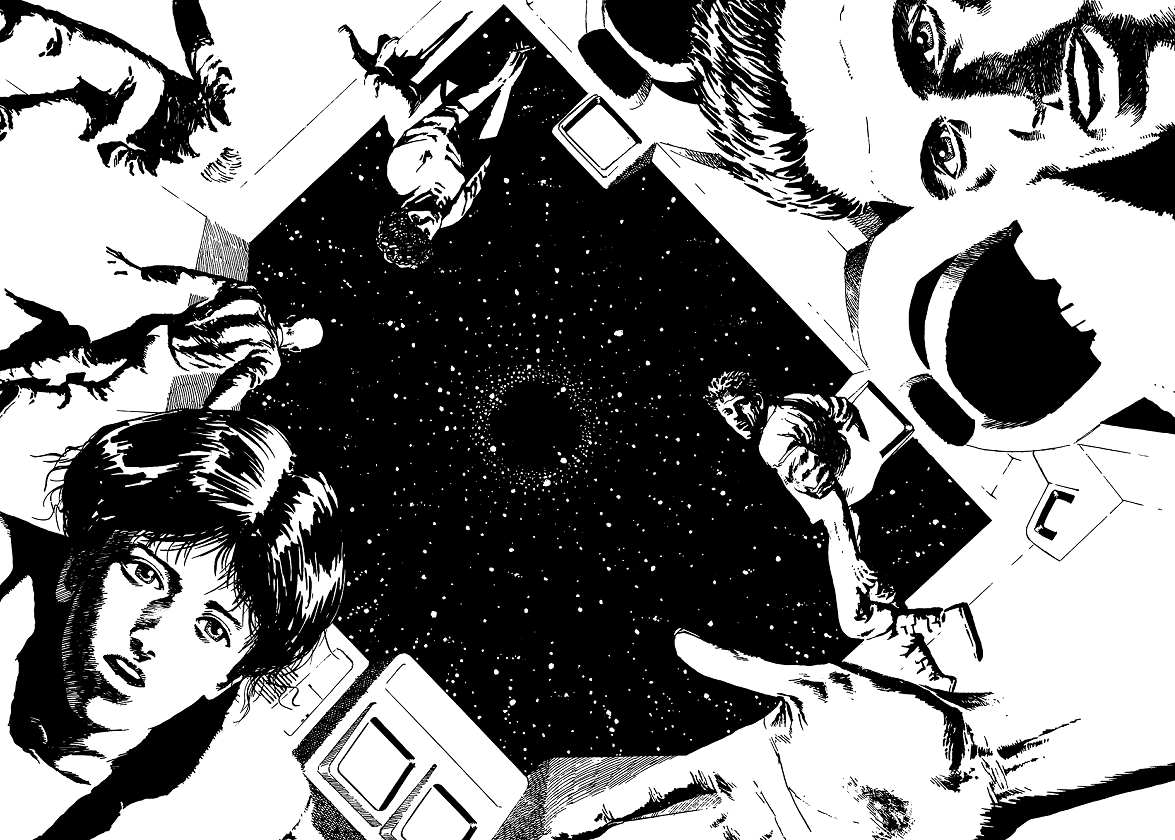
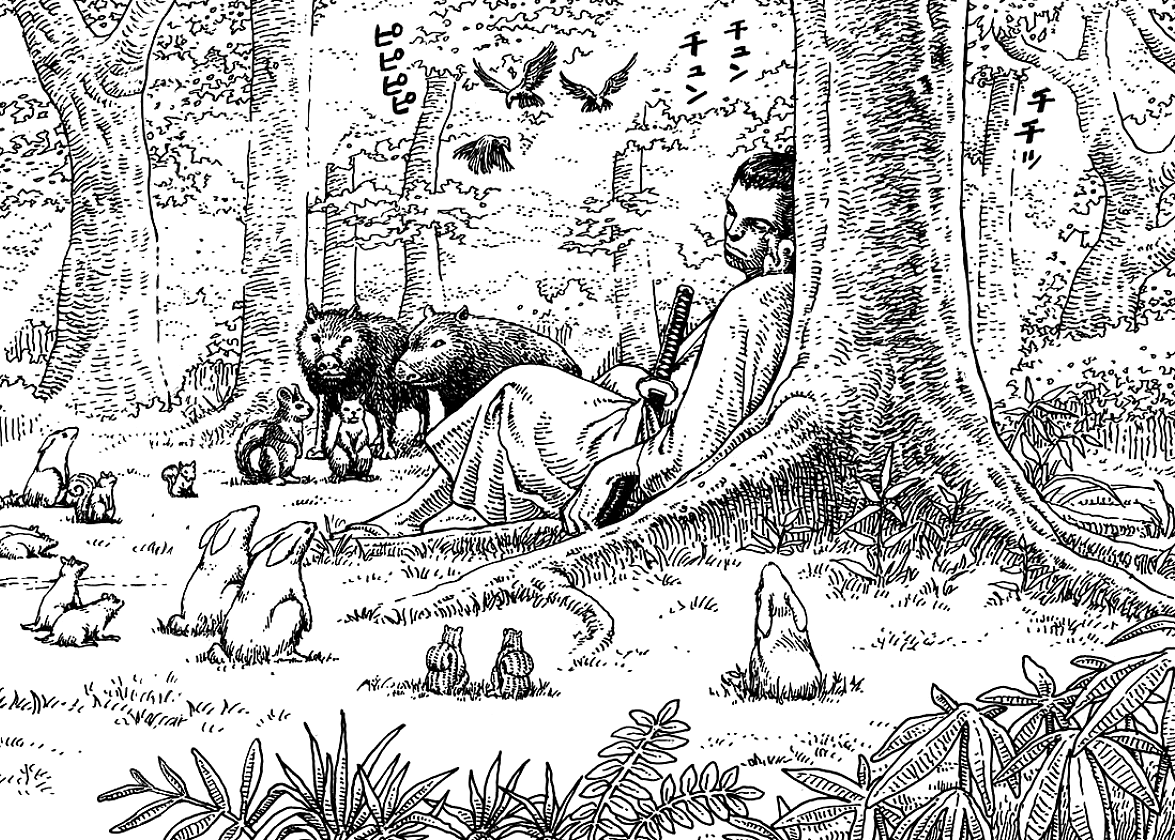
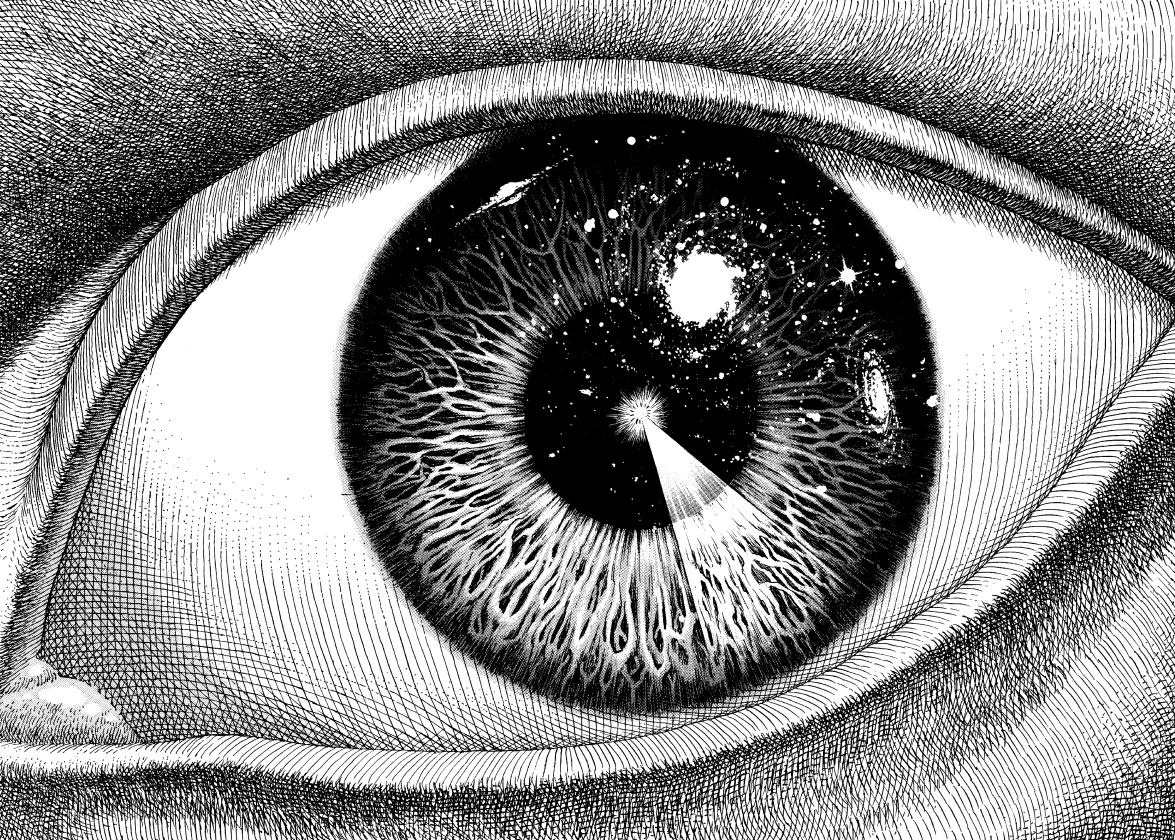
[1, 5] Astroid ➤ [2] Ultra Heaven ➤ [3] G ➤ [4] Katajikenai
——————–
Available in English:
Masashi Tanaka ➤ Gon (CMX, 2007 – 2009 / Kodansha, 2011 – 2012)
Youichi Abe ➤ Sheeply Horned Witch Romi (Seven Seas, 2022 – 2026)
Riichi Ueshiba ➤ Discommunication (J-Novel Club, 2019 – 2021), Mysterious Girlfriend X (Vertical, 2016 – 2017)
panpanya ➤ An Invitation from a Crab (Denpa, 2019), Guyabano Holiday (Denpa, 2023), Fish Society (Denpa, 2027)
Keiichi Koike ➤ Heaven’s Door (Last Gasp, 2022), Ultra Heaven (Last Gasp, 2024 – 2026)

